You’re about to discover which draw knives will let you strip bark and shape fence posts with minimal fatigue and maximum precision. The 2026 lineup blends ergonomic curves, high‑carbon steel blades, and balanced two‑handed grips, but each model has a distinct edge that suits different wood types and project scales. Knowing why those differences matter will help you pick the tool that keeps your hands steady and your fence looking clean.
| 8‑Inch Curved Draw Knife for Wood Carving |  | Best Overall | Blade Length: 8 in (20.3 cm) | Blade Material: Steel (described as fine‑polish steel) | Handle Material: Wood | CHECK ON AMAZON | Read Our Analysis |
| Ergonomic Curved Draw Knife Debarking Tool | 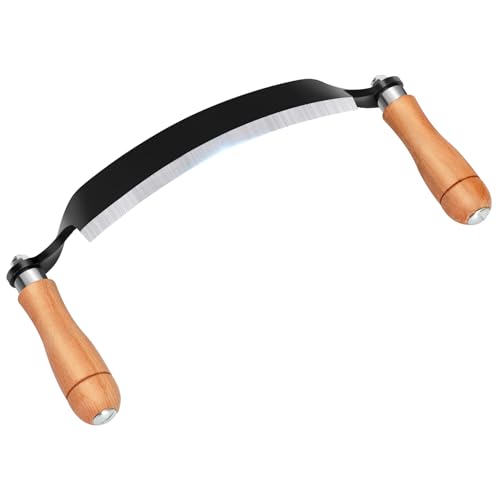 | Professional Grade | Blade Length: 10 in | Blade Material: Manganese steel | Handle Material: Wood | CHECK ON AMAZON | Read Our Analysis |
| TOOLCOOL Draw Knife 4.3‑Inch Hardwood Bark Removal Tool | 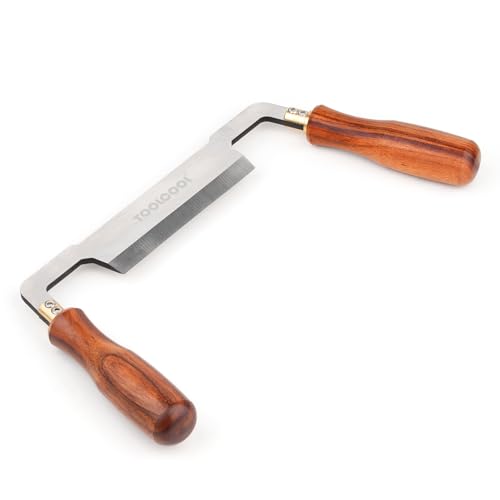 | Compact Choice | Blade Length: 4.3 in (110 mm) | Blade Material: High‑speed steel | Handle Material: Rosewood (hardwood) | CHECK ON AMAZON | Read Our Analysis |
| Stubai Drawknife Made In Austria |  | Premium Craftsmanship | Blade Length: 9 ¼ in (cutting edge) | Blade Material: High carbon steel | Handle Material: Wood (offset handles) | CHECK ON AMAZON | Read Our Analysis |
| Curved Draw Knife – Wood Debarking Hand Tool |  | Value Pick | Blade Length: 8 in | Blade Material: Manganese steel | Handle Material: Wood | CHECK ON AMAZON | Read Our Analysis |
More Details on Our Top Picks
8‑Inch Curved Draw Knife for Wood Carving
The 8‑inch curved draw knife stands out for anyone who needs precise, controlled debarking and shaping of natural fence wood—whether you’re a seasoned carpenter or a weekend hobbyist. Its steel blade, polished to a fine finish, lets you glide smoothly over bark, while the wooden handle offers a comfortable grip that reduces fatigue during long sessions. You’ll find it easy to secure a piece of wood in the curve, work slowly, and pull away bark without splintering. We gloves for safety; the 0.2‑inch‑thick blade handles various wood types, making it versatile for shaping, carving, and detailing projects.
- Blade Length:8 in (20.3 cm)
- Blade Material:Steel (described as fine‑polish steel)
- Handle Material:Wood
- Blade Shape:Curved
- Weight:~1.6 lb (0.73 kg)
- Warranty / Return Policy:30‑day Amazon return, warranty link
- Additional Feature:Fine‑polished steel blade
- Additional Feature:Gift‑ready packaging
- Additional Feature:30‑day Amazon return
Ergonomic Curved Draw Knife Debarking Tool
Looking for a draw knife that lets you peel bark quickly without straining your hand? The Beendou 10‑inch ergonomic curved draw knife gives you a firm wooden grip and a 30° high‑strength manganese‑steel blade that slides smoothly over bark. You hold the wood bevel‑up, pull shavings, and the lightweight 1.98‑lb tool lets you work logs, fence posts, or firewood with minimal fatigue. The beveled edge stays sharp, but a quick sand‑sharpen before each session boosts speed. Wear protective gloves, work slowly, and you’ll enjoy reliable debarking for DIY or professional projects.
- Blade Length:10 in
- Blade Material:Manganese steel
- Handle Material:Wood
- Blade Shape:Curved
- Weight:1.98 lb (0.90 kg)
- Warranty / Return Policy:1‑year warranty, 30‑day return guarantee
- Additional Feature:Anti‑corrosion painted surface
- Additional Feature:30° cutting angle
- Additional Feature:1‑year warranty
TOOLCOOL Draw Knife 4.3‑Inch Hardwood Bark Removal Tool
Who needs a sturdy, ergonomic tool for quick bark removal and precise wood shaping? You’ll love the TOOLCOOL Draw Knife’s 4.3‑inch high‑speed steel blade, thick enough at 6 mm to tackle hardwood bark without flexing. The rosewood handle feels natural in your hand, and its widened, one‑piece design reduces fatigue and gives you control on every stroke. At 14 oz and 10.6 inches long, it balances well for smooth, manual debarking. No welds mean durability, and the alloy‑steel body holds the blade securely. It ships solo, backed by a 30‑day Amazon return guarantee, so you can test its performance risk‑free.
- Blade Length:4.3 in (110 mm)
- Blade Material:High‑speed steel
- Handle Material:Rosewood (hardwood)
- Blade Shape:Straight
- Weight:14 oz (0.40 kg)
- Warranty / Return Policy:30‑day Amazon voluntary return guarantee
- Additional Feature:Rosewood ergonomic handle
- Additional Feature:One‑piece welded‑free construction
- Additional Feature:30‑day voluntary return
Stubai Drawknife Made In Austria
Looking for a drawknife that handles both delicate peeling and heavy‑duty shaping of fence wood? The Stubai Drawknife, forged in Austria, gives you a 9¼‑inch blade with a 1‑inch width, perfect for timber, log work, and furniture making. Its offset handles sit comfortably, letting you control pressure while maintaining a smooth cut. Hand‑forged from high‑carbon steel, the blade’s hardened, tempered edge stays sharp longer than many rivals. At 17 inches overall, it weighs 14.1 ounces, offering a balanced feel without fatigue. This mid‑size tool, model STU‑200, has earned solid user praise since its 2004 debut.
- Blade Length:9 ¼ in (cutting edge)
- Blade Material:High carbon steel
- Handle Material:Wood (offset handles)
- Blade Shape:Straight (mid‑size drawknife)
- Weight:14.1 oz (0.40 kg)
- Warranty / Return Policy:Warranty info via product page, standard return policy
- Additional Feature:Hand‑forged high‑carbon steel
- Additional Feature:Offset handles for comfort
- Additional Feature:European craftsmanship
Curved Draw Knife – Wood Debarking Hand Tool
If you need a tool that removes bark and shapes wood in one smooth motion, the 8‑inch curved draw knife is the answer. Its 5 cm thick manganese‑steel blade, angled 30° bevel up, lets you start in the log’s centre and pull shavings outward, giving clean, accurate cuts. The painted, anti‑corrosion surface resists rust, while the finely polished edge sharpens easily with a squeegee. A wooden handle provides a firm two‑hand grip, ideal for fence posts, firewood, or furniture pieces. Wear gloves, work slowly, and sharpen regularly to keep the scraper sharp and safe.
- Blade Length:8 in
- Blade Material:Manganese steel
- Handle Material:Wood
- Blade Shape:Curved
- Weight:Not specified (hand‑powered)
- Warranty / Return Policy:No explicit warranty listed, standard Amazon return policy
- Additional Feature:Upgraded manganese steel
- Additional Feature:Painted anti‑corrosion coating
- Additional Feature:Quick‑sharpen beveled edge
Factors to Consider When Choosing Draw Knives for Peeling and Shaping Natural Fence Wood
You’ll want to check the blade length and material first, since they dictate how much wood you can remove and how long the knife lasts. Next, consider the handle’s comfort and the tool’s weight and balance to keep fatigue low during long sessions. Finally, decide whether a curved or flat shape fits the fence’s profile you’re shaping.
Blade Blade Length
What makes a draw knife truly effective for peeling and shaping fence wood is its blade length. You’ll find blades ranging from 4.3 in to 10 in, and the size you pick directly dictates how much bark you can strip in one pass. Longer blades—around 8–10 in—let you work faster on big logs, giving you reach and steady traction across wide surfaces. Shorter blades, 4.3–6 in, grant tighter control for intricate shaping and tight curves, especially when they have a curved profile. For typical fence‑wood debarking, match the blade to the log’s diameter and the grain exposure you want. A 10‑inch blade often hits the sweet spot between reach and maneuverability, while a shorter, straight or curved blade excels at detailed work.
Blade Material Choice
Choosing the right blade material is essential for efficient debarking and shaping of fence wood. You’ll find high‑speed steel (HSS) dominates because its hardness holds an edge longer and it sharpens easily on the curved profile of a draw knife. When you set the bevel up, you gain more aggressive cuts and tighter control, which matters on bark‑heavy sections. Aim for a blade thickness of 5–6 mm; that range provides the strength to resist chatter while still flexing enough for smooth shavings on thick posts. Pairing HSS with manganese or high‑carbon steel boosts durability, letting you tackle repeated debarking without frequent re‑grinding. Curved geometry works hand‑in‑hand with these materials, delivering rapid bark removal and consistent shaping on irregular log surfaces.
Handle Comfort Design
Hard‑speed steel gives you a razor‑sharp edge, but without a comfortable grip the knife quickly becomes a liability. A wooden handle can be carved to match your palm, giving a natural, snug feel that lasts through long sessions. Look for ergonomic designs with offset handles; they keep the blade bevel up, aligning your wrist and cutting strain while you peel. One‑piece tools with widened or contoured handles improve balance, so the knife doesn’t tug on your hand as you shape bark. Choose a handle material that stays secure on hardwoods—textured surfaces or a polished finish prevent slipping. When the grip fits and feels steady, you maintain control, reduce fatigue, and work more efficiently on fence wood.
Curve vs. Flat Shape
Ever wondered whether a curved or flat draw knife will give you the smoothest finish on fence wood? A curved blade follows the wood’s contour, letting you glide along rounded or irregular surfaces without constantly adjusting your grip. This extra contact gives you control on convex profiles, making debarking and shaping cylindrical sections feel natural. In contrast, a flat blade cuts straight and even, ideal for flattening faces and removing material in a uniform plane. Its steady guidance shines on flat surfaces, but you’ll need more repositioning when the wood’s diameter changes. If your fence posts vary in size, the curved shape reduces gaps and transitions, while the flat shape excels when you need a perfectly planed edge. Choose the curvature that matches the shape you’re shaping.
Weight and Balance
Weight and balance are the silent workhorses that keep your hand steady and your fatigue low during long peeling sessions. A well‑balanced draw knife lets you glide through bark without hunting for a grip, so you stay in control from start to finish. Look for a heft of 1.5–2.0 lb; that weight steadies each slice and eases wrist strain on both straight and curved cuts. An 8–10‑inch blade paired with offset handles places the center of mass close to your palm, making it easier to pull shavings from thick fence posts. A bevel‑up orientation adds a smooth, confident feel, while a one‑piece, reinforced handle eliminates wobble and keeps balance consistent across grain changes. These details together let you work longer with less fatigue.
Safety and Grip Features
A well‑balanced knife already eases fatigue, but without a secure grip you’ll quickly lose control. Choose a draw knife with a wooden handle that fits snugly in your palm; the natural texture reduces slippage while you debark or shape. Look for an ergonomic, offset design that keeps your wrist neutral and cuts hand strain during long sessions. A bevel‑up blade orientation gives you better directional control on bark and curved surfaces, letting you guide each pass precisely. Wear protective gloves to shield skin from cuts and splinters, especially when you apply slow, deliberate strokes. Finally, practice a two‑handed grip and secure the wood firmly; a stable setup prevents sudden movement that could cause accidental gouges.
Frequently Asked Questions
What Blade Steel Works Best for Humid Climates?
You should choose high‑carbon stainless steel like 440C or CPM‑S35VN; they resist rust, hold edge, and stay sharp in humid climates, giving you reliable performance without frequent corrosion concerns.
Can I Sharpen a Draw Knife With a Regular Bench Grinder?
Yes, you can sharpen a draw knife on a bench grinder, but use a low speed, light pressure, and a fine‑grit wheel. Keep the blade angle consistent, cool frequently, and check for overheating.
How Often Should I Oil the Handle for Outdoor Use?
You should oil the handle every few weeks, especially after rain or heavy use. A light coat of penetrating oil or boiled linseed oil protects the wood, prevents cracking, and keeps it flexible.
Do Draw Knives Affect Wood Grain Direction When Peeling?
You’ll notice the knife follows the grain, not changes it. By keeping the blade angled with the wood’s natural flow, you preserve direction while peeling, preventing unwanted splits or tear‑out.
Is a Leather Sheath Necessary for Transport?
You don’t strictly need a leather sheath for transport, but it protects the blade’s edge and prevents accidental cuts. If you’re moving it often, a sheath—leather or sturdy synthetic—keeps it safe and maintains performance.