You’re planning a natural fence base and need edging that won’t rot, stays put on uneven soil, and blends with your garden’s look. The right timber can be sustainable, weather‑treated, and easy to install without digging. Below, you’ll see the top seven options for 2026—each with its own height, locking system, and finish—so you can match durability and style to your landscape.
| Backyard X-Scapes Natural Eucalyptus Garden Edging (72″x6″x1.25″) | 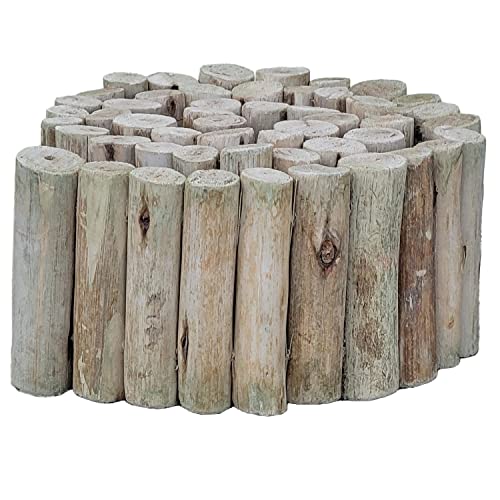 | Best Overall | Material: Natural eucalyptus solid‑log wood | Length (per piece): 72 in | Height: 6 in | CHECK ON AMAZON | Read Our Analysis |
| Worth Garden Wooden Log Roll Edging Border |  | Budget-Friendly Pick | Material: Burnt wood (natural wood) | Length (per piece): 47 in | Height: 6.5 in | CHECK ON AMAZON | Read Our Analysis |
| Dalen HammerEdge Edging – 16 Interlocking Pieces 18‑ft Coverage |  | Professional Grade | Material: Recycled non‑toxic plastic | Length (per piece): 18 ft total (16 pieces) | Height: 5.5 in | CHECK ON AMAZON | Read Our Analysis |
| Landical Gray Retaining Wall Blocks – 8 Pack |  | Easy Installation | Material: Sturdy plastic (faux stone) | Length (per piece): 17 in (ground section) | Height: 13 in (overall) | CHECK ON AMAZON | Read Our Analysis |
| Wood Garden Edging 11.8″ x 47″ (2 Pack) | 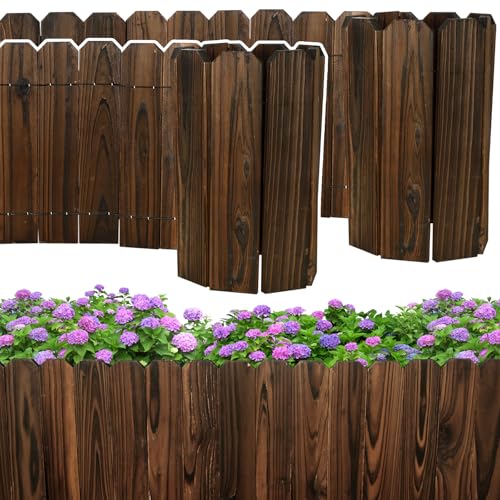 | Durable Wood | Material: Fir wood, carbonized | Length (per piece): 47 in | Height: 11.8 in | CHECK ON AMAZON | Read Our Analysis |
| Wooden Garden Edging Border 7.9″x48″ (1 Pack) |  | Flexible Design | Material: Carbonized solid wood | Length (per piece): 48 in | Height: 7.9 in | CHECK ON AMAZON | Read Our Analysis |
| Evelyne Plastic Garden Border Edging Kit (16pcs 20ft) |  | Low-Maintenance Choice | Material: Polypropylene plastic with wood‑grain texture | Length (per piece): 16 in per panel (20 ft total) | Height: 7 in | CHECK ON AMAZON | Read Our Analysis |
More Details on Our Top Picks
Backyard X-Scapes Natural Eucalyptus Garden Edging (72″x6″x1.25″)
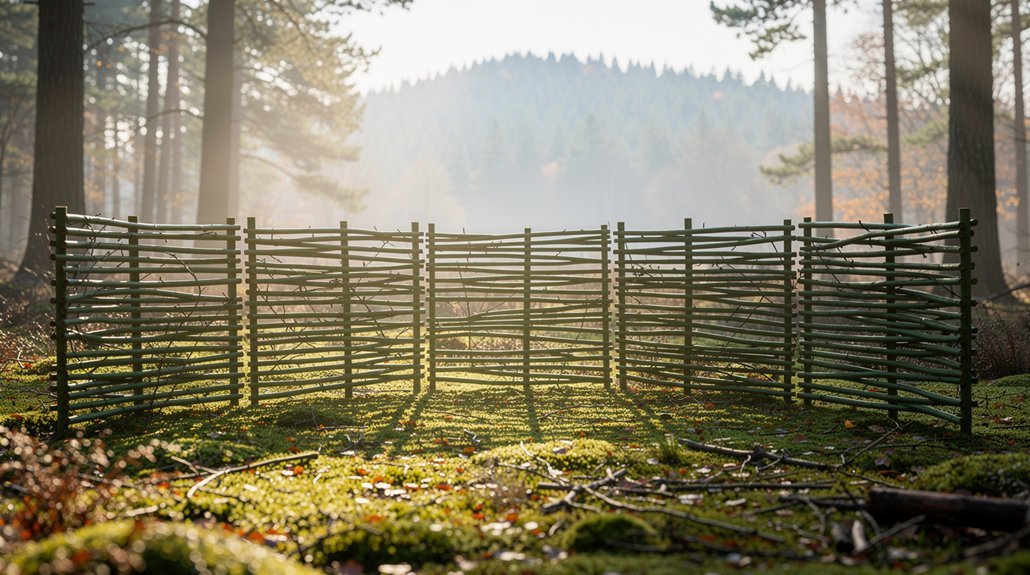
Looking for a garden edge that stays put without a ditch? The Backyard X‑Scapes Natural Eucalyptus Garden Edging delivers a solid, 72‑inch log that anchors itself with galvanized wire, so you skip digging. Weighing 11 lb, each log resists rot better than many woods, making it ideal for flower beds, tree rings, or walkways. Its natural variation—1–2 in diameter, 6 in height—adds rustic charm while you shape straight, curved, or circular borders. Installation is simple: link logs with the supplied wire, position them, and they stay put. With a 4.5‑star rating from 395 reviews, this handmade, South‑African eucalyptus offers durable, low‑maintenance edging for any landscape design.
- Material:Natural eucalyptus solid‑log wood
- Length (per piece):72 in
- Height:6 in
- Installation Method:No‑dig, linked with galvanized wire
- Flexibility/Shape Capability:Curved or straight layouts
- Weight (per piece or set):11 lb (per log)
- Additional Feature:Galvanized wire links
- Additional Feature:Hand‑crafted natural logs
- Additional Feature:Diameter varies 1‑2 in
Worth Garden Wooden Log Roll Edging Border
If you need a quick, no‑dig garden way to give your garden a tidy, natural look, the Worth Garden Wooden Log Roll Edging Border is the perfect solution. Its 6.5‑inch height and 47‑inch length create a warm, burnt‑wood line that frames lawns or flower beds without digging or hammering. You simply lay the flexible, foldable logs in place; the dense weaving holds them steady, even on uneven ground. Each 1.7‑inch‑diameter log weighs about 8 lb, yet the heavy‑duty design resists shifting. You can bend, roll, or shape the border to match curves, adding visual separation and a natural aesthetic to any outdoor space.
- Material:Burnt wood (natural wood)
- Length (per piece):47 in
- Height:6.5 in
- Installation Method:No‑dig, flexible roll placement
- Flexibility/Shape Capability:Bendable, rollable curves
- Weight (per piece or set):8 lb (per log)
- Additional Feature:Burnt wood finish
- Additional Feature:Foldable dense weave
- Additional Feature:1.7 in log diameter
Dalen HammerEdge Edging – 16 Interlocking Pieces 18‑ft Coverage
Who needs a quick, sturdy edge for a garden path without digging trenches? You’ll love Dalen HammerEdge Edging, a 16‑piece, 18‑ft kit that locks together in seconds. The shark‑tooth design lets you pound it in with a rubber mallet, so no heavy tools or trench digging. It works on soft topsoil, but avoid frozen or rocky ground. Made in the USA from non‑toxic recycled material, it resists harsh weather and keeps mulch, wood chips, or rock from spilling. At 5½ inches tall, it fits corners, curves, or straight lines, and the satisfaction guarantee backs every purchase.
- Material:Recycled non‑toxic plastic
- Length (per piece):18 ft total (16 pieces)
- Height:5.5 in
- Installation Method:No‑dig, hammer‑edge interlocking
- Flexibility/Shape Capability:Interlocking for curves and corners
- Weight (per piece or set):Not specified per piece (overall set)
- Additional Feature:Shark‑tooth cutting edge
- Additional Feature:Recycled non‑toxic material
- Additional Feature:Money‑back guarantee
Landical Gray Retaining Wall Blocks – 8 Pack
Gardeners who want a quick, low‑maintenance border that still looks like real stone will love the Landical Gray Retaining Wall Blocks. Each 17 × 13‑inch block mimics stone with trimmed edges, giving a natural garden feel while staying lightweight. Built‑in foundation piles let you snap them in place without digging, so you save time and effort. The sturdy plastic resists mowers, temperature swings, and ground movement, keeping the layout intact for years. You can line mulched beds, patios, or walkways, and even combine blocks to shape lanes or fence bases. This eight‑pack offers versatile, weather‑proof edging that enhances any private landscape.
- Material:Sturdy plastic (faux stone)
- Length (per piece):17 in (ground section)
- Height:13 in (overall)
- Installation Method:No‑dig, built‑in foundation piles
- Flexibility/Shape Capability:Modular arrangement for various shapes
- Weight (per piece or set):Lightweight (plastic)
- Additional Feature:Built‑in foundation piles
- Additional Feature:Faux stone appearance
- Additional Feature:Lightweight plastic construction
Wood Garden Edging 11.8″ x 47″ (2 Pack)
Looking for a sturdy, natural‑looking edge that snaps into place without digging holes? The Mulctun Wood Garden Edging measures 11.8 in tall and 47 in long, and each 2‑pack includes four U‑shaped nails for quick, stake‑free installation. Made from fir wood that’s high‑temperature carbonized, it resists weather and corrosion while displaying a dark brown, distressed grain. You can bend, slide, and hammer the nails to join pieces into circles or squares, perfect for flower beds, lawns, pathways, or tree borders. At 8.89 lb per pack, it’s lightweight yet durable, and 24/7 email support backs it with a warranty.
- Material:Fir wood, carbonized
- Length (per piece):47 in
- Height:11.8 in
- Installation Method:No‑dig, U‑nails and bendable boards
- Flexibility/Shape Capability:Bendable into circles, squares, curves
- Weight (per piece or set):8.89 lb (per 2‑pack)
- Additional Feature:Carbonized fir wood
- Additional Feature:Includes U‑shaped nails
- Additional Feature:Dark brown distressed finish
Wooden Garden Edging Border 7.9″x48″ (1 Pack)
If you need a low‑maintenance, weather‑proof border that stays straight on curves without cracking or warping, the 7.9″ × 48″ Wooden Garden Edging Border is the ideal choice. Its carbonized solid wood resists moisture, heat, and UV, so it won’t warp, yellow, or splinter. Two rows of metal wire core keep the board rigid while allowing you to bend it into circles, arcs, or straight lines. Sharp bottom tips drive directly into soil—no tools, no digging. At 48 in long and 7.9 in high, it frames flower beds, lawns, pathways, and tree circles with a rustic dark‑brown grain that stays beautiful without painting or staining. Weighing just 2.55 lb, it’s easy to handle yet sturdy enough for long‑term use.
- Material:Carbonized solid wood
- Length (per piece):48 in
- Height:7.9 in
- Installation Method:No‑dig, sharp bottom tips insert into ground
- Flexibility/Shape Capability:Foldable and bendable into any shape
- Weight (per piece or set):2.55 lb (per piece)
- Additional Feature:Metal wire core reinforcement
- Additional Feature:Sharp ground‑tip inserts
- Additional Feature:No maintenance required
Evelyne Plastic Garden Border Edging Kit (16pcs 20ft)
Need you need a low‑maintenance, wood‑look edging that won’t rot or crack, the Evelyne Plastic Garden Border Edging Kit delivers a realistic timber appearance with the durability of polypropylene—perfect for creating a tidy, weed‑free base for natural fences. The kit includes sixteen 16‑inch panels, each with a brown wood‑grain texture, two spikes, and a 7‑inch height, giving you 20 feet of coverage. You simply push the spikes into the soil, link panels for straight lines, and rotate them 90° for corners. Polypropylene resists cracking, peeling, and fading, so the edge stays crisp for years without upkeep. Reviewers rate it 4.5 stars, praising its easy install and long‑lasting look.
- Material:Polypropylene plastic with wood‑grain texture
- Length (per piece):16 in per panel (20 ft total)
- Height:7 in
- Installation Method:No‑dig, spike‑insert panels
- Flexibility/Shape Capability:Panels link for straight edges, rotate for corners
- Weight (per piece or set):7.56 lb (total kit)
- Additional Feature:Realistic wood‑grain texture
- Additional Feature:Polypropylene durability
- Additional Feature:Spike‑insert installation system
Factors to Consider When Choosing Timber Retaining Edging for Natural Fence Base Support
You’ll want timber that stands up to rain, sun, and freeze‑thaw cycles, so check its durability and weather resistance first. Make sure the material works with your soil type and can handle the load‑bearing demands of your fence base while fitting the look of your landscape. Finally, consider how easy it is to install and what tools you’ll need to get the job done quickly.
Durability and Weather Resistance
How important is durability when your fence base faces rain, wind, and freeze‑thaw cycles? You’ll want timber that resists cracking, warping, yellowing, and splintering, so carbonized wood is a smart choice. Opt for solid‑log or dense wood with a two‑row steel wire core; the heavy‑duty connection steadies the edging against gusts and heavy rain. Eucalyptus and fir stand out for natural rot resistance, outlasting softer species in garden settings. Choose interlocking or roll‑edge designs that lock in place without digging, minimizing displacement when moisture expands or contracts. Prioritize wood with high moisture resistance and dimensional stability, ensuring your fence base stays firm through seasonal temperature swings and moisture exposure.
Material Compatibility With Soil
Which timber will hold up when it meets your garden’s soil? Choosing edging that matches the soil’s moisture, pH, and microbial profile is essential for long‑term stability. You’ll want species with low water absorption and high decay resistance; eucalyptus and fir already contain natural rot‑inhibitors, so they thrive in damp beds where softer woods would rot quickly. Heat‑treated or carbonized lumber adds a protective layer that slows fungal attack and mineral leaching, extending service life. Pay attention to dimensions—thicker, larger‑diameter pieces resist warping and settling caused by moisture swings. Finally, consider soil chemistry: acidic, low‑pH soils accelerate breakdown of less resistant timber, while alkaline, mineral‑rich soils can foster microbial activity that speeds decay. Matching these factors ensures your edging stays solid year after year.
Installation Ease and Tools
Ever wondered how quickly you can set up a solid timber edge without a back‑hoe? You can choose edging that simply drops into the soil or has stake‑like tips that you tap with a rubber mallet, avoiding damage. Interlocking or linked designs snap together, cutting install time and keeping the fence base stable under load. Look for panels or logs that already include U‑nails, wires, or built‑in fasteners so you won’t need extra hardware. Flexibility matters too—straight, curved, or circular sections let you contour the edge to the fence’s shape. Finally, pick carbonized, anti‑corrosion‑treated wood; it resists rot and warping, meaning you won’t have to re‑install or reinforce the edge later.
Aesthetic Integration With Landscape
What makes a timber retaining edge feel like part of your garden rather than an afterthought? You’ll want a finish that mirrors the surrounding plants and soil tones—think natural stains or a burnt‑charred look that blends with mulch, stone, and foliage. Choose a height and profile (6 in, 7.9 in, or 11.8 in) that either hides or showcases garden features, ensuring the border doesn’t dominate the bed. Texture matters: a clear grain or rustic dark brown finish adds visual harmony, while a curve‑friendly design lets you follow irregular beds without breaking the line. Pretreatment options like carbonization or weather‑resistant coatings keep color stable and compatible with outdoor materials, preserving the seamless, natural aesthetic you’re after.
Load‑Bearing Capacity Requirements
How much weight will your garden edging actually hold? You’ll first check the log thickness and diameter—larger, thicker pieces resist bending and support heavier loads. Next, look for interlocking or reinforced connections like galvanized wire links or metal cores; they spread force across multiple segments instead of concentrating stress at a single point. Consider the material type and treatment—carbonized solid wood or pressure‑treated logs stay resistant to rot and deformation, preserving capacity over time. Straight, continuous layouts distribute load more evenly than curved or irregular ones, so plan the edge geometry accordingly. Finally, compare manufacturer‑specified dimensions and the number of pieces per set; taller, wider, and more numerous sections raise the cumulative load‑perimeter capability for a sturdy fence base.
Maintenance Frequency and Costs
Typically, you’ll inspect your timber edging once a year, though harsher climates may demand semi‑annual checks. Annual reviews catch splits, warping, or loose wire links before they compromise the fence base. In high‑rain or freeze‑thaw zones, schedule six‑month inspections; moisture accelerates decay even in rot‑resistant species like eucalyptus or fir. Look for ground movement, foot‑traffic wear, and lawn‑care damage, tightening nails or replacing galvanized ties as needed. Some premium edging boasts carbonized finishes that virtually eliminate upkeep, slashing labor costs. Still, budget for occasional resealing or reinforcement in heavy‑use sections. By matching species and treatment to your climate, you can stretch service intervals to three or four years, keeping long‑term expenses low.
Environmental Impact and Sustainability
While you’re planning inspection intervals, also think about how the edging’s material choices affect the environment. Choose timber that grows quickly and has a low ecological footprint—plantation‑grown wood reduces deforestation pressure. Opt for carbonized or naturally rot‑resistant wood; its longer lifespan means fewer replacements and less waste. Insist on FSC‑certified sources to guarantee responsible harvesting and protect biodiversity. Pick products with minimal chemical treatments and low‑emission finishes to keep soil and groundwater clean. Finally, consider end‑of‑life options: biodegradable wood and recyclable hardware let the system break down or be reused, enhancing long‑term sustainability. By weighing these factors, you’ll support a greener fence base while maintaining structural integrity.
Frequently Asked Questions
How Does Timber Edging Affect Soil Drainage Over Time?
You’ll notice timber edging slows drainage initially, but as it we it creates gaps that let water flow. Over years it balances moisture, preventing pooling while still supporting the fence base.
Can I Install Timber Edging Without Professional Tools?
You can install timber edging yourself using basic hand tools like a shovel, level, and a saw; just mark the line, dig a shallow trench, set the boards, and secure them with stakes or spikes.
What Maintenance Is Required for Timber Edging in Humid Climates?
You’ll need to seal it annually, inspect for rot or mold, keep drainage clear, trim any nearby vegetation, and apply a mildew‑resistant stain or oil every two years to protect against humidity.
Does Timber Edging Attract Termites or Other Pests?
You’ll find timber edging can attract termites and other pests if it’s untreated or moisture‑logged. Use pressure‑treated or naturally resistant wood, keep it dry, and apply regular pest‑preventive treatments.
How Long Does Timber Edging Typically Last Before Replacement?
You can expect timber edging to last about 10‑15 years before needing replacement, assuming you treat it, protect it from moisture, and inspect regularly for rot or insect damage.