You’re tackling slope erosion and need a solution that blends strength, biodegradability, and cost‑effectiveness. The 2026 lineup of coir logs offers everything from 12‑inch, 5‑foot fibers to 16‑inch diameters, each paired with wood stakes for solid anchoring. Their porous coconut fibers slow runoff, filter sediments, and nurture seedlings, while lasting two to five years without leaving plastic behind. Curious how each option stacks up and which combo works best for your terrain?
| Sandbaggy Coir Fiber Log – 12″ × 5 ft Biodegradable Erosion Control |  | Best Overall | Material: Natural coconut coir fiber | Biodegradability: 100 % biodegradable | Primary Use: Slope erosion control | CHECK ON AMAZON | Read Our Analysis |
| Sandbaggy Coir Fiber Log Biodegradable Erosion Control (12″x5ft 2 Count) | | Top Value | Material: Natural coconut coir fiber | Biodegradability: 100 % biodegradable | Primary Use: Slope erosion control | CHECK ON AMAZON | Read Our Analysis |
| Jute Erosion Control Mesh Blanket – 48″x20 yd (240 sq ft) | 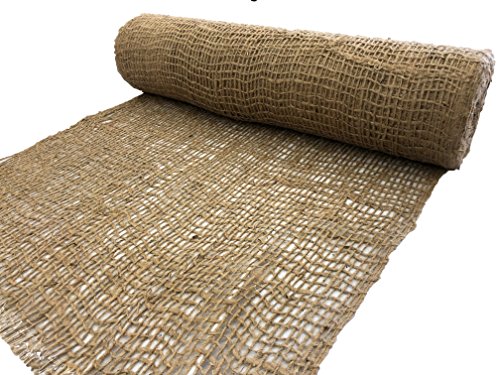 | Budget-Friendly | Material: Natural jute fiber | Biodegradability: Biodegradable | Primary Use: Soil erosion control blanket | CHECK ON AMAZON | Read Our Analysis |
| Sandbaggy Coir Mat – Erosion Control 5X Longer 4×30 ft Roll |  | Professional Grade | Material: Natural coconut coir fiber (woven with jute backing) | Biodegradability: Biodegradable | Primary Use: Erosion control on hillsides, riverbanks, oceanfront | CHECK ON AMAZON | Read Our Analysis |
| Sandbaggy Coir Fiber Log – 16″ Diameter Biodegradable Erosion Control (10 Count) |  | Longest Lasting | Material: Natural coconut coir fiber (16‑in diameter) | Biodegradability: 100 % biodegradable | Primary Use: Slope erosion control (larger diameter) | CHECK ON AMAZON | Read Our Analysis |
| 3ft × 100ft Black Silt Fence with 11 Stakes |  | Heavy-Duty | Material: Polypropylene fabric (non‑coir) | Biodegradability: Not biodegradable (synthetic) | Primary Use: Sediment barrier / silt fence | CHECK ON AMAZON | Read Our Analysis |
| Agfabric 4x30ft Natural Jute Erosion Control Mesh Blanket |  | Eco ChoiceFriendly | Material: Natural jute fiber | Biodegradability: Biodegradable | Primary Use: Soil erosion control blanket (jute) | CHECK ON AMAZON | Read Our Analysis |
More Details on Our Top Picks
Sandbaggy Coir Fiber Log – 12″ × 5 ft Biodegradable Erosion Control
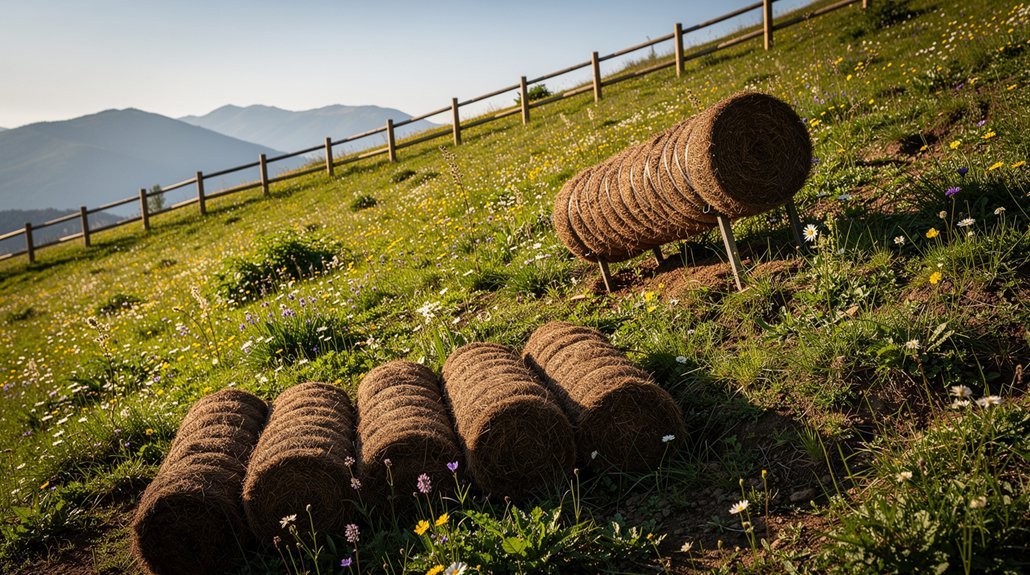
Looking for an eco‑friendly way to protect a sloping fence line? The Sandbaggy Coir Fiber Log gives you a 12‑inch‑by‑5‑foot biodegradable barrier made from natural coconut fiber. Its porous structure holds moisture, fostering vigorous vegetation that roots the soil. When you stake it with five or six wood posts, the densely packed fibers slow water flow, filter runoff, and trap sediment, stabilizing hillsides and riverbanks. The log decomposes in two to five years, enriching the earth and eliminating plastic waste. It’s ideal for environmentally sensitive sites, offering a low‑maintenance, plant‑friendly solution for erosion control.
- Material:Natural coconut coir fiber
- Biodegradability:100 % biodegradable
- Primary Use:Slope erosion control
- Typical Lifespan:2–5 years (site‑dependent)
- Installation Method:Wood stakes (5‑6 per log)
- Dimensions (Length × Width × Height/Diameter):12 in × 5 ft × 12 in (log)
- Additional Feature:Natural nursery for seeds
- Additional Feature:Moisture‑retaining porous structure
- Additional Feature:Low‑profile, stackable design
Sandbaggy Coir Fiber Log Biodegradable Erosion Control (12″x5ft 2 Count)
If you need a natural, biodegradable solution for slope stabilization, the Sandbaggy Coir Fiber Log—12 × 5 ft, sold in a two‑log pack—delivers exactly that. Made from untreated coconut coir, it decomposes fully, enriching soil and avoiding plastic waste. Its porous structure holds moisture, creating a nursery that nurtures seedlings and encourages deep root systems. On slopes and banks, the densely packed fibers slow water flow, filter runoff, and trap sediment, protecting hillsides and riverbanks. Expect 2–5 years of erosion control, depending on conditions. Install each log with five to six wood stakes for secure anchoring.
- Material:Natural coconut coir fiber
- Biodegradability:100 % biodegradable
- Primary Use:Slope erosion control
- Typical Lifespan:2–5 years (site‑dependent)
- Installation Method:Wood stakes (5‑6 per log)
- Dimensions (Length × Width × Height/Diameter):12 in × 5 ft × 12 in (log, 2‑count)
- Additional Feature:Dual‑log convenience pack
- Additional Feature:Enhanced slope coverage
- Additional Feature:Easy‑stack storage
Jute Erosion Control Mesh Blanket – 48″x20 yd (240 sq ft)
Who needs a lightweight, biodegradable solution for slope protection? You’ll find the Jute Erosion Control Mesh Blanket fits the bill. At 48 inches wide and 20 yards long, it blankets roughly 240 sq ft of terrain. Premium jute gives you natural, UV‑stable durability while staying pliable enough to cut and shape around embankments or garden beds. Installation is quick; the manageable weight lets you lay it without heavy equipment. As it decomposes, it leaves no harmful residue, preserving soil structure and boosting plant health. Use it for slope stabilization, erosion control, or any landscaping project demanding a sustainable, long‑lasting fabric.
- Material:Natural jute fiber
- Biodegradability:Biodegradable
- Primary Use:Soil erosion control blanket
- Typical Lifespan:Long‑term (weather‑resistant)
- Installation Method:Cut and lay, stake as needed
- Dimensions (Length × Width × Height/Diameter):48 in × 20 yd (≈ 240 sq ft) blanket
- Additional Feature:UV‑stable, weather‑resistant
- Additional Feature:Cut‑to‑size flexibility
- Additional Feature:Lightweight, easy transport
Sandbaggy Coir Mat – Erosion Control 5X Longer 4×30 ft Roll
The Sandbaggy Coir Mat, with its 5× longer lifespan and 4 × 30 ft roll, is the go‑to solution for anyone needing durable, biodegradable erosion control on slopes, riverbanks, or oceanfronts. You’ll spread a 6.5‑ft‑by‑165‑ft sheet—over a thousand square feet—using a single roll, and it will hold soil for two to five years, far outlasting straw blankets. Its high‑pile, machine‑woven coconut fiber and jute backing anchor seeds, encouraging vegetation and slope recovery. The brown, solid‑pattern mat blends into natural habitats, reduces runoff, and meets DOT and watershed projects without harming the environment.
- Material:Natural coconut coir fiber (woven with jute backing)
- Biodegradability:Biodegradable
- Primary Use:Erosion control on hillsides, riverbanks, oceanfront
- Typical Lifespan:2–5 years (site‑dependent)
- Installation Method:Wood stakes (minimum 5‑6 per roll)
- Dimensions (Length × Width × Height/Diameter):4 ft × 30 ft roll (≈ 1,000 sq ft)
- Additional Feature:5× longer durability
- Additional Feature:High‑pile texture
- Additional Feature:Broad 1,000 sq ft coverage
Sandbaggy Coir Fiber Log – 16″ Diameter Biodegradable Erosion Control (10 Count)
Looking for a fully biodegradable, high‑performance erosion‑control log that fits tight slope fences? The Sandbaggy Coir Fiber Log, 16″ diameter, 5 ft long, comes in a ten‑count pack and is made from 100 % coconut fiber with no chemicals. Its porous structure holds moisture, creating a natural nursery for seeds and saplings, while densely packed fibers slow water, filter runoff, and trap sediment on hillsides and riverbanks. Expect a service life of 2‑5 years, then it decomposes, enriching soil and eliminating plastic waste. Install each log with five to six wood stakes for secure anchoring.
- Material:Natural coconut coir fiber (16‑in diameter)
- Biodegradability:100 % biodegradable
- Primary Use:Slope erosion control (larger diameter)
- Typical Lifespan:2–5 years (site‑dependent)
- Installation Method:Wood stakes (5‑6 per log)
- Dimensions (Length × Width × Height/Diameter):16 in × 5 ft × 16 in (log, 10‑count)
- Additional Feature:Larger 16″ diameter
- Additional Feature:Bulk‑count convenience
- Additional Feature:Greater soil retention
3ft × 100ft Black Silt Fence with 11 Stakes
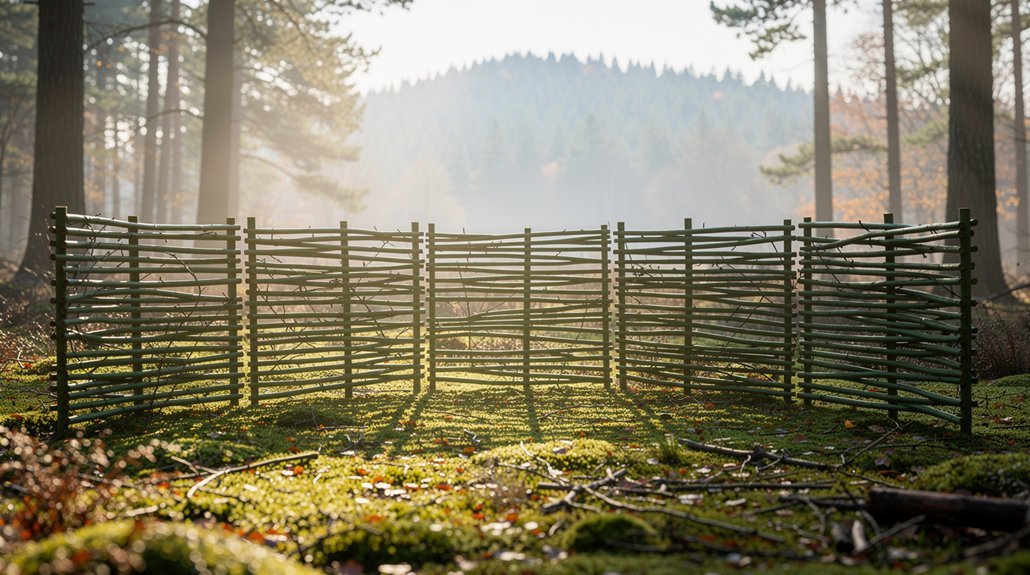
If you need a sturdy, low‑maintenance barrier for a steep garden or construction site, the 3 ft × 100 ft black silt fence with 11 wooden stakes is a solid pick. The heavy‑duty PP polypropylene fabric resists tearing and survives freezing winters and scorching summers, while the black color blends into any setting. Each 4‑ft wooden stake anchors the fence securely on slopes, waterways, or construction perimeters. You can cut the fabric to length without special tools, creating a custom barrier that blocks sediment‑laden runoff, protects crops, and adds privacy. The 16‑pound roll packs into a compact box, offering a cost‑effective, long‑lasting solution.
- Material:Polypropylene fabric (non‑coir)
- Biodegradability:Not biodegradable (synthetic)
- Primary Use:Sediment barrier / silt fence
- Typical Lifespan:Multi‑year (durable polypropylene)
- Installation Method:Wooden stakes included (11)
- Dimensions (Length × Width × Height/Diameter):3 ft × 100 ft fence (height × length)
- Additional Feature:Built‑in 11 wooden stakes
- Additional Feature:Heavy‑duty PP fabric
- Additional Feature:Dual‑purpose privacy screen
Agfabric 4x30ft Natural Jute Erosion Control Mesh Blanket
Gardeners and hillside homeowners seeking a biodegradable, wildlife‑friendly option will find the Agfabric 4×30‑ft Natural Jute Erosion Control Mesh Blanket a top pick. This 48‑inch‑wide, 120 sq ft blanket, made from natural jute fibers, burlap, and rope netting, stops soil loss and sediment runoff on slopes. You’ll appreciate its easy installation: unroll, secure with stakes, then seed directly into the mesh for instant vegetation. The material degrades harmlessly, protecting deer and other wildlife while keeping them out of garden beds. We at 8.93 lb, it’s light enough to handle alone yet sturdy enough for hillside stabilization and weed control.
- Material:Natural jute fiber
- Biodegradability:Biodegradable
- Primary Use:Soil erosion control blanket (jute)
- Typical Lifespan:Long‑term (weather‑resistant)
- Installation Method:Cut and lay, stake as needed
- Dimensions (Length × Width × Height/Diameter):4 ft × 30 ft blanket (≈ 120 sq ft)
- Additional Feature:Integrated seed layer
- Additional Feature:Deer‑proof burlap edging
- Additional Feature:Compact 120 sq ft coverage
Factors to Consider When Choosing Coir Erosion Control Logs for Fencing on Slopes
When picking coir logs, first check how durable they are against rain, wind, and UV exposure. Next, consider whether they’ll break down naturally while enriching the soil and supporting plant growth. Finally, make sure the log size matches your slope’s angle, that installation is simple with minimal stakes, and that they retain moisture for vegetation.
Durability and Weather Resistance
Two to five years is the typical lifespan of coir erosion control logs, but that range hinges on slope, moisture, and soil type. When you choose a log, check how tightly the fibers are packed; dense packing slows water velocity, filters runoff, and traps sediment, which all protect the log from premature breakdown. On steep banks, you’ll want to drive five to six wood stakes per log so the anchoring resists slope‑derived forces and surface runoff that can pry the log loose. The coconut‑fiber material tolerates rain, sun, and freeze‑thaw cycles without leaching plastics, making it suitable for exposed slopes. Expect gradual degradation that aligns with environmental goals while still providing reliable erosion control throughout its service life.
Biodegradability and Soil Enrichment
Biodegradability is the standout advantage of coir erosion control logs, as they’re made entirely from natural coconut fiber that breaks down without chemicals. When you install them on a slope, they gradually decompose over 2–5 years, depending on moisture, temperature, and sunlight. This process returns organic matter to the soil, boosting microbial activity and nutrient availability for the vegetation you’ve planted. The fibers retain moisture, which helps seeds germinate and roots establish, creating a tighter, more stable slope. Because no plastics or synthetic binders are involved, you avoid pollution and meet environmental regulations for sensitive sites. You’ll see a healthier, more fertile soil profile as the logs disappear, leaving nothing but robust plant growth.
Installation Simplicity and Stake Requirements
Because the logs break down into fertile soil, you’ll want them to stay put long enough for vegetation to take root, and that hinges on how simply they can be installed and how many stakes they need. You’ll typically drive five to six wooden stakes through the pre‑drilled attachment points, spacing them evenly to lock the log against runoff. On steeper pitches, add a couple more stakes to keep the log aligned and maintain soil contact; the extra anchoring prevents sliding during heavy rain. Proper staking not only stabilizes the log but also preserves the erosion‑control barrier through wind and freeze‑thaw cycles. When comparing products, look for designs that minimize drilling and allow quick stake insertion, so you can secure the fence quickly without sacrificing durability.
Vegetation Support and Moisture Retention
Ever wondered how a single coir log can turn a bare slope into a thriving garden? Its porous coconut‑fiber structure holds moisture, creating a micro‑habitat that nurtures seed germination and sapling establishment. As roots grow into the biodegradable fibers, the log stabilizes the root zone, acting like a natural nursery that promotes robust vegetation. The moisture‑retaining fibers buffer soil water levels, so plants survive dry spells on inclined surfaces. Because the material is fully biodegradable, you get ongoing moisture benefits without plastic residue—perfect for environmentally sensitive sites. Dense fiber packing also slows surface runoff, cutting erosion while preserving the soil moisture essential for hillside flora. Choose logs that balance porosity and durability to maximize plant growth and water retention.
Size Compatibility and Slope Angle
The moisture‑rich environment created by coir logs also dictates how well the logs fit the slope they protect. You’ll want a log whose 12‑inch diameter and 5‑foot length match the slope’s angle; a shallow slope (0‑15°) can accommodate a single log with five stakes, while steeper grades (15‑30°) demand deeper embedment and six or more stakes per log. Check that the cross‑section aligns with the fence’s height to keep the barrier flush and prevent gaps where sediment can escape. Remember, the porous core encourages root growth, but if the log sits too high on a steep incline, gravity will pull it downhill, compromising both erosion control and fence stability. Adjust stake depth and pattern accordingly for lasting performance.
Frequently Asked Questions
What Is the Typical Lifespan of Biodegradable Coir Logs Under Heavy Rain?
You’ll see biodegradable coir logs lasting roughly three‑to‑four years under heavy rain, as they slowly decompose while still holding soil, though exact durability depends on local climate and installation quality.
Can Coir Logs Be Combined With Metal Fencing for Added Stability?
Yes, you can attach coir logs to metal fencing; secure them with brackets or zip ties, and the logs will add lateral support while the metal provides structural strength, especially on steep slopes.
How Do Temperature Fluctuations Affect Coir Log Structural Integrity?
You’ll notice that temperature swings cause coir logs to expand and contract, which can loosen fibers and reduce strength. Repeated heating and cooling may lead to cracking, so monitor moisture and protect against extreme shifts.
Are There Specific Installation Tools Required for 16 Diameter Logs?
You’ll need a 16‑inch pipe cutter, a sturdy mallet, a drill with a ½‑inch bit, and a set of galvanized brackets; these tools let you trim, secure, and fasten the logs efficiently.
What Wildlife Considerations Exist When Using Jute Mesh on Slopes?
You should avoid disrupting nesting burrows, protect migratory corridors, and keep the mesh tight enough to prevent small mammals from slipping through. Also, monitor for invasive plant seeds that could alter local habitats.