You’ve probably noticed how quickly a natural fence can lose its tension when the straps corrode or stretch, and finding a reliable, eco‑friendly alternative isn’t as simple as picking any rope. Recycled hemp webbing offers the durability you need, but the market is flooded with options that vary in tensile strength, UV resistance, and ease of installation. If you want a fence that holds up season after season without compromising sustainability, the right four straps will make all the difference.
| Houseables 2″ Upholstery Webbing Roll (40ft) |  | DIY Essential | Width: 2 inches | Length: 40 feet (≈ 12 yards) | Material: Commercial‑grade elastic webbing (polyester blend) | CHECK ON AMAZON | Read Our Analysis |
| Heavy Duty Webbing Straps for Outdoor DIY Repair |  | Heavy‑Duty Choice | Width: 1 inch | Length: 12 yards | Material: 100 % polyester | CHECK ON AMAZON | Read Our Analysis |
| Yarlung 14″ Natural Rattan Webbing Roll for DIY Crafts | 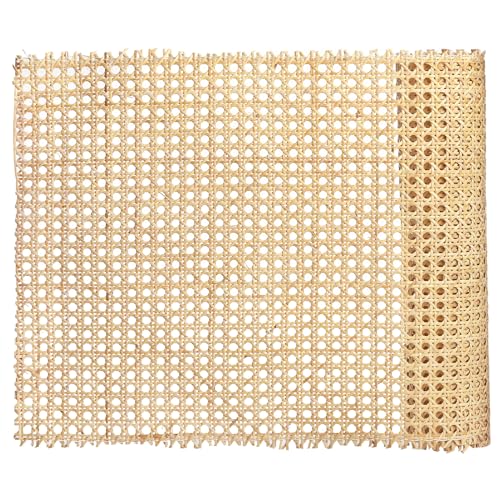 | Craft‑Friendly | Width: 14 inches | Length: 3.3 feet (≈ 1 yard) | Material: Natural rattan cane | CHECK ON AMAZON | Read Our Analysis |
| Upholstery Jute Webbing 3.5″ x 10yds Natural with Red Stripes | 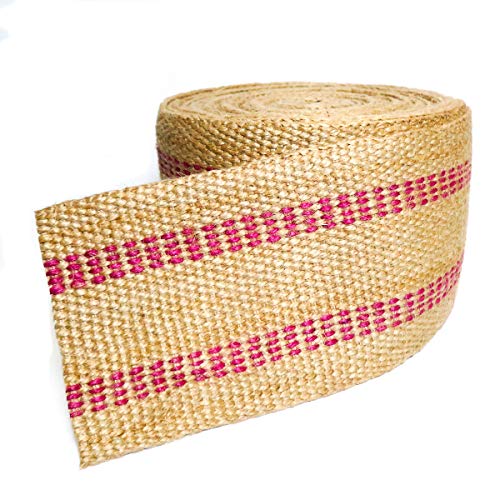 | Rustic Decor | Width: 3.5 inches | Length: 10 yards | Material: 100 % natural jute fibers | CHECK ON AMAZON | Read Our Analysis |
More Details on Our Top Picks
Houseables 2″ Upholstery Webbing Roll (40ft)
If you need a reliable, stretch‑resistant strap for DIY furniture repair, the Houseables 2‑inch upholstery webbing roll is a solid pick. You’ll get 40 feet of commercial‑grade webbing that stretches enough to give a taut, comfortable seat while resisting sag. It handles medium‑to‑high traffic surfaces on indoor chairs, outdoor rattan sets, and lounge sofas alike. The two‑inch width and sturdy construction keep the material from drying out or rotting, even when weather hits. One roll usually covers two chairs or a single sofa, and a webbing stretcher helps you maximize every foot. You’ll appreciate the lightweight 1.3‑pound roll and the confidence it brings to repaired furniture.
- Width:2 inches
- Length:40 feet (≈ 12 yards)
- Material:Commercial‑grade elastic webbing (polyester blend)
- Weight:1.3 lb
- Primary Use:Upholstery / furniture repair
- Color / Finish:Neutral (elastic webbing)
- Additional Feature:Commercial‑grade durability
- Additional Feature:Ideal for indoor/outdoor
- Additional Feature:Includes webbing stretcher
Heavy Duty Webbing Straps for Outdoor DIY Repair
Looking for a strap that can hold up under the toughest outdoor repairs? The BEYOURD Heavy Duty Webbing gives you 1‑inch‑wide, 12‑yard polyester tape that resists sun and weather while pulling 1,800 lb. Its dense weave stays smooth, so you can wrap it around pet collars, gun slings, backpack straps, or anything you need to reinforce. Cut to length, then burn the edge to stop fraying. Weighing just 0.02 kg, it fits in a small package yet feels robust in your hands. With a 4.7‑star rating from over a thousand reviewers, it’s a reliable, versatile solution for any DIY repair outdoors.
- Width:1 inch
- Length:12 yards
- Material:100 % polyester
- Weight:0.02 kg (≈ 0.04 lb)
- Primary Use:Heavy‑duty outdoor DIY repair & straps
- Color / Finish:Black
- Additional Feature:1800 lb tensile strength
- Additional Feature:Weather‑resistant, sun‑protected
- Additional Feature:Burn ends to prevent fraying
Yarlung 14″ Natural Rattan Webbing Roll for DIY Crafts
Need natural rattan 14‑inch webbing roll is perfect for anyone who wants a lightweight, flexible material that can be easily cut, bent, and shaped for DIY furniture or craft projects. This 14‑inch‑wide, 3.3‑foot roll offers an open‑woven mesh made from natural rattan cane, giving you a soft yet tough sheet you can trim to any size. You’ll use it for tables, chairs, cabinets, sofas, beds, dividers, and even ceilings, as well as baskets, fruit trays, mug coasters, and lampshades. The excellent weaving process ensures durability while keeping the material lightweight and pliable. Handle it carefully—avoid scratching your fingers when bending or cutting.
- Width:14 inches
- Length:3.3 feet (≈ 1 yard)
- Material:Natural rattan cane
- Weight:Lightweight (unspecified)
- Primary Use:Crafts & decorative projects
- Color / Finish:Natural rattan (light brown)
- Additional Feature:Lightweight, flexible cane
- Additional Feature:Easy to bend and cut
- Additional Feature:Open‑woven mesh design
Upholstery Jute Webbing 3.5″ x 10yds Natural with Red Stripes
The 3.5‑inch‑wide, 10‑yard roll of upholstery jute webbing with red stripes is perfect for anyone who wants a strong, sustainable strap for re‑upholstering chairs, building decorative banners, or adding rustic flair to wedding décor. You’ll appreciate its 10‑pound tightly woven strength and 1.17‑pound weight, which keep it sturdy yet easy to handle. The natural jute fibers give a timeless, earthy look, while the red stitching adds a pop of color. Use it for seat backs, sofa reinforcement, or craft projects like wreaths and ribbons. Its versatility lets you upgrade furniture, create event décor, or support storage solutions without compromising eco‑friendly values.
- Width:3.5 inches
- Length:10 yards
- Material:100 % natural jute fibers
- Weight:1.17 lb
- Primary Use:Upholstery support & decorative crafts
- Color / Finish:Natural jute with red stripes
- Additional Feature:10‑lb tightly woven
- Additional Feature:Rustic red‑stripe aesthetic
- Additional Feature:Sustainable natural fibers
Factors to Consider When Choosing Recycled Hemp Webbing Straps for Sturdy Natural Fence Support
When you pick a recycled hemp strap, check its material strength rating to ensure it can bear the load you need. Look for weather‑resistance and a solid eco‑friendly source, so the strap stays durable and sustainable. Finally, consider its weight‑holding capacity and how easy it is to install on your fence.
Material Strength Rating
Wondering how much load a recycled hemp webbing strap can actually hold? The material strength rating tells you the maximum safe load before failure, guiding your fence’s durability. Look for a high tensile strength rating—this means the strap can resist opposing forces without snapping. Thicker cordage and a tighter weave usually boost that rating, cutting stretch and sag when you tension the fence. Remember to factor in dynamic forces like wind or shifting soil, not just the static load. Consistency matters too; if batch‑to‑batch ratings vary, sections of your fence may perform unevenly, risking weak spots. Choose a supplier that publishes reliable, repeatable strength data so you can trust the strap to hold your natural fence steady year after year.
Weather Resistance Capability
Because outdoor fences face rain, sun, and wind, you need to assess how well recycled hemp webbing handles the elements. Hemp’s natural rot resistance gives you a solid baseline, but the real test lies in treatment and weave density. Tighter weaves block moisture, preventing sag and mold, while a proper seal or coating adds water resistance and curtails mildew growth. UV stability varies across recycled blends, so expect some color fade and potential strength loss under prolonged sunlight unless the fibers are UV‑treated. Inspect the straps regularly for fraying, stretching, or brittleness; early detection keeps performance consistent. By prioritizing dense weaves, effective sealing, and UV‑stable finishes, you’ll ensure durable, weather‑proof fence support.
Eco‑Friendly Material Source
A reputable source of recycled hemp webbing should guarantee that the fibers come from clean, high‑grade hemp waste and that the processing uses minimal chemicals, preserving the plant’s natural strength and biodegradability. When you vet suppliers, look for certifications that trace the material back to agricultural by‑products rather than mixed waste streams. Choose manufacturers that disclose their low‑impact extraction methods—cold‑water washing, mechanical separation, and enzyme‑based degreasing are ideal. Verify that the input fibers are free of contaminants, because even trace residues can weaken the webbing over time. Prioritize companies that source hemp from organic farms, as these crops avoid synthetic pesticides and fertilizers. By focusing on clean, responsibly processed fibers, you ensure your fence straps stay strong, renewable, and truly eco‑friendly.
Weight‑Holding Capacity
Choosing the right recycled hemp webbing strap for your fence hinges on its weight‑holding capacity, which is dictated by fiber thickness, weave density, and width. Thicker fibers and tighter weaves boost tensile strength, letting the strap sustain heavier loads before snapping. Wider straps spread force across a larger area, cutting down stress at attachment points and raising overall capacity. Check each product’s tensile‑strength rating; a higher number means the strap can bear more weight safely. Remember that durability matters—quality fibers, moisture resistance, and UV protection keep the rating stable over seasons. Finally, ensure the strap’s edges are finished cleanly and that you use proper knots or hardware, because a weak connection will waste the strap’s rated strength.
Ease of Installation
Your fence’s weight‑holding capacity sets the stage, but you’ll only get the most out of those numbers if the strap installs smoothly. First, pick a strap that comes pre‑cut or with a clean, heat‑sealed edge; you won’t waste time trimming frayed ends. Make sure the width and thickness match your post or anchor slots, so the strap slides in without forcing or gaps. A flexible hemp weave lets you loop or knot around irregular shapes while staying taut, reducing the need for extra hardware. Look for a material rated for outdoor exposure—weather‑resistant fibers won’t swell or shrink as you tighten, keeping the tension even. Finally, verify that the strap’s tensile rating exceeds your load, so you can pull it tight without fearing failure mid‑installation.
Durability Over Time
When you evaluate recycled hemp webbing for fence support, focus on how its fibers and finishes hold up over years of exposure. Look for high‑tensile‑strength fibers, because hemp naturally resists stretching and keeps your fence taut. Check whether the webbing has a weather‑resistant coating; untreated hemp will degrade under UV, rain, and mildew, while treated strands stay flexible and strong. Examine knot security and stitching—poor knots loosen, reducing load capacity over time. Schedule regular inspections for fraying, brittleness, or mold, and replace compromised sections before they cause sudden failure. By prioritizing robust fibers, protective finishes, solid stitching, and proactive maintenance, you’ll guarantee your natural fence remains sturdy season after season.
Frequently Asked Questions
How Recyclable Are the Straps After Use?
You can recycle the straps after use; they’re 100% biodegradable and can be composted or repurposed into new hemp products, so you’ll close waste and support a circular economy.
Can the Webbing Be Dyed Without Compromising Strength?
Yes, you can dye the hemp webbing, but use low‑temperature, water‑based dyes and avoid harsh chemicals. Test a small section first; the color won’t weaken the fibers if you follow those precautions.
Do the Straps Resist UV Degradation Over Time?
You’ll find they resist UV degradation well; the recycled hemp fibers are treated with UV‑blocking agents, so the straps maintain strength and color for years, even under constant sunlight exposure.
Are the Straps Suitable for Marine Environments?
Yes, you can use these recycled hemp straps in marine settings; they resist saltwater corrosion, maintain strength, and handle UV exposure, so they’ll stay durable on docks, piers, and boats.
What Certifications Verify the Hemp’s Sustainable Sourcing?
You’ll find certifications like GOTS, USDA Organic, Fair Trade, and Cradle‑to‑Cradle™ verifying hemp’s sustainable sourcing, plus ISO 14001 environmental management and FSC for responsibly harvested fiber.