

You’re looking for fence rails that won’t sag, split, or warp under weather and weight, and Douglas fir can deliver that if you pick the right grade and treatment. The four kits below each address stability, easy installation, and long‑term durability, but the best choice depends on your spacing, climate, and how much you value a finished look versus raw strength. Let’s compare their key features so you can match the rail system to your boundary’s demands.
| Heavy‑Duty Adjustable Gate Corner Brace Kit |  | Heavy‑Duty Pro | Material: Heavy‑duty steel (powder‑coated) | Finish: Black powder‑coated | Adjustable Width: Fits 2×3‑2×8 lumber, adjustable brackets | CHECK ON AMAZON | Read Our Analysis |
| CR Fence V3 Vertical Guard Rail Kit 6’W x 36″H DIY Balusters | 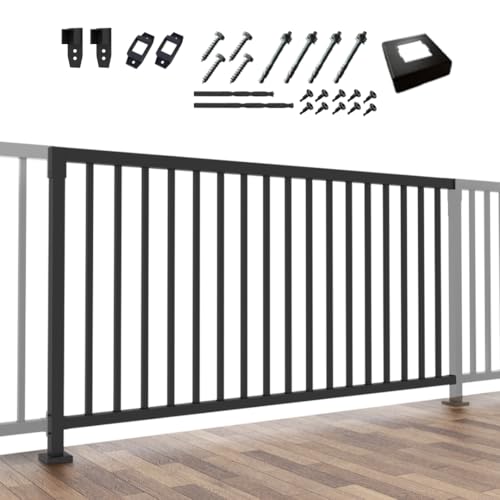 | DIY Railing Expert | Material: Wrought iron | Finish: Rust‑resistant (unspecified color) | Adjustable Width: Modular sections, customizable width | CHECK ON AMAZON | Read Our Analysis |
| Zippity 32x48in Newberry Wood Fence Kit (2 Panels) |  | Compact Garden Solution | Material: FSC‑certified wood | Finish: Finished wood (natural Newberry) | Adjustable Width: Fixed 48 in panel width (no adjustment) | CHECK ON AMAZON | Read Our Analysis |
| BarnSmith Adjustable Anti‑Sag Gate Kit 36‑72in Black Finish |  | Adjustable Classic | Material: Heavy‑duty steel (powder‑coated) | Finish: Black powder‑coated | Adjustable Width: 36‑72 in telescoping bars | CHECK ON AMAZON | Read Our Analysis |
More Details on Our Top Picks
Heavy‑Duty Adjustable Gate Corner Brace Kit
If you’re building a durable, natural‑look boundary with Douglas fir fence rails in 2026, the heavy‑duty adjustable gate corner brace kit is the essential upgrade that keeps your gates from sagging and maintains the sleek, sturdy appearance of the wood. The kit includes four steel brackets—two with welded hinges—plus 40 fasteners, all powder‑coated to resist rust. You’ll fit it to 2×3 through 2×8 lumber on any left or right swing gate, from garden sheds to driveway entries. No angle measurements are needed; just drill, mount, and tighten. The anti‑sag design preserves structural integrity, ensuring your wooden gate stays straight and reliable for years.
- Material:Heavy‑duty steel (powder‑coated)
- Finish:Black powder‑coated
- Adjustable Width:Fits 2×3‑2×8 lumber, adjustable brackets
- Installation Hardware Included:Brackets, hinges, 40 fasteners
- Intended Use (Gate/Rail Type):Gate corner brace/anti‑sag kit
- Weight:8.8 lb
- Additional Feature:Powder‑coated steel finish
- Additional Feature:No angle measurements needed
- Additional Feature:Includes welded‑on hinges
CR Fence V3 Vertical Guard Rail Kit 6’W x 36″H DIY Balusters
Looking for a railing that combines industrial strength with hassle‑free DIY installation? The CR Fence V3 Vertical Guard Rail Kit gives you a 6‑foot wide, 36‑inch tall system ready for decks, porches, patios, or balconies. You’ll receive pre‑cut wrought‑iron posts, brackets, and a middle post, all welded robotically for extra durability. Each component resists rust, meets ISO9001 standards, and holds up to 234 lb of lateral force without bending. Installation is straightforward—just follow the step‑by‑step guide, mount on concrete or wood, and adjust modules as needed. Support is 24/7, with rapid U.S.‑based assistance and free custom advice.
- Material:Wrought iron
- Finish:Rust‑resistant (unspecified color)
- Adjustable Width:Modular sections, customizable width
- Installation Hardware Included:Brackets, posts, mounting hardware
- Intended Use (Gate/Rail Type):Vertical guard rail/railing balusters
- Weight:Not specified (metal kit)
- Additional Feature:Robotic‑welded iron posts
- Additional Feature:ISO 9001 quality certification
- Additional Feature:24/7 U.S. support line
Zippity 32x48in Newberry Wood Fence Kit (2 Panels)
Zippity’s 32 × 48‑inch Newberry Wood Fence Kit delivers a ready‑to‑assemble, pet‑friendly boundary that’s perfect for small dogs or decorative garden edges. You’ll get two 32‑by‑48‑inch panels made from FSC‑certified wood, finished on all sides and edges, weighing 26.4 lb total. Stake brackets give you flexibility on decks, patios, pools, or backyards, while 2 ⅓‑inch picket spacing keeps pets and kids safe. The kit includes all unassembled parts; assembly is required, and you can add the optional gate hardware kit (ZP19082) if you need an entrance. Zippity backs this product with a 30‑day Amazon return and a manufacturer warranty on request.
- Material:FSC‑certified wood
- Finish:Finished wood (natural Newberry)
- Adjustable Width:Fixed 48 in panel width (no adjustment)
- Installation Hardware Included:Stake brackets, hardware kit optional
- Intended Use (Gate/Rail Type):Fence panels (dog/ garden fence)
- Weight:26.4 lb (2 panels)
- Additional Feature:FSC‑certified wood panels
- Additional Feature:Gate hardware conversion kit
- Additional Feature:2 ⅓‑inch picket spacing
BarnSmith Adjustable Anti‑Sag Gate Kit 36‑72in Black Finish
Who needs a gate that stays perfectly straight despite wind, rain, and daily use? You’ll love the BarnSmith Adjustable Anti‑Sag Gate Kit, a heavy‑duty steel frame with a rust‑resistant powder‑coated black finish that endures snow, sun, and moisture. Its telescoping bars span 36‑72 in and 4‑5 ft high, fitting wooden fences up to six feet wide. The included anti‑sag cable system reinforces the gate, preventing droop year after year. Installation is straightforward: hinges, latch, cables, and a wrench come ready, and no special tools are required. Should you need help, BarnSmith’s professional support responds quickly.
- Material:Heavy‑duty steel (powder‑coated)
- Finish:Black powder‑coated
- Adjustable Width:36‑72 in telescoping bars
- Installation Hardware Included:Hinges, latch, anti‑sag cables, wrench
- Intended Use (Gate/Rail Type):Anti‑sag gate kit for wooden fences
- Weight:Not specified (steel kit)
- Additional Feature:Telescoping bars for width
- Additional Feature:Black powder‑coat finish
- Additional Feature:Includes wrench and latch kit
Factors to Consider When Choosing Douglas Fir Fence Rails for Strong Natural Boundary Building
When you pick a Douglas fir rail, start by checking the wood grade to ensure it meets your strength needs. Keep an eye on moisture content and dimensional stability so the rail won’t warp under load. Finally, verify that the rail’s load‑bearing capacity matches your project and that the fasteners you plan to use are compatible.
Wood Grade Selection
Choosing the right wood grade for Douglas fir fence rails is essential for a strong, long‑lasting natural boundary. You should aim for #1 or better, because higher grades give straightness, fewer knots, and tighter grain, which boost load‑bearing capacity and curb warping. Look for clear, tight‑grain sections with minimal pitch pockets and checks; these characteristics keep the rail stiff and reduce sag over time. Avoid pieces with large or frequent knots, splits, or wane, as they weaken the system and jeopardize boundary integrity. Select longer, well‑seasoned rails so low moisture content limits shrinkage, twisting, and settling after installation. Finally, keep the grade consistent across the entire run to ensure uniform strength, appearance, and predictable performance.
Moisture Content Control
After picking a high‑grade, straight‑grained rail, you need to lock down its moisture content. Aim for a target of 12% MC or lower; that level curbs expansion, shrinkage, and warping when rain hits. Check the rail with a calibrated moisture meter before you set it down, then let it acclimate on the fence line for a day or two and re‑measure to confirm it’s equilibrated with local humidity. Uniform MC across the whole piece is essential—significant gradients create internal stress and cupping later. Choose kiln‑dried or properly seasoned Douglas fir, or opt for wood treated with moisture‑stabilizing agents, to keep swelling at bay. Consistent MC preserves gate alignment, rail integrity, and the long‑term strength of your natural boundary.
Dimensional Stability Factors
Ever wonder how your fence stays straight year after year? You’ll notice that kiln‑dried Douglas fir holds its shape because the wood’s moisture content is stabilized, cutting shrinkage and swelling. Its relatively high fiber saturation point means only extreme moisture loads trigger noticeable dimensional shifts. Still, seasonal humidity swings can expand or contract rails, nudging gaps and misaligning joints. Seal each rail and keep moisture levels consistent to curb warping and the resulting misalignment. Compared with other softwoods, Douglas fir’s superior stiffness‑to‑weight ratio helps it resist deformation under normal use, though the end‑grain edges stay vulnerable to moisture‑driven movement. Prioritizing these stability factors ensures your boundary remains true and durable.
Load‑Bearing Capacity
What determines a fence rail’s load‑bearing capacity? It’s mainly the lumber grade, cross‑sectional size, and spacing. Higher‑grade Douglas fir lets you push more stress through each rail, while larger dimensions—like 2×4 or 2×6—dramatically boost vertical load before sagging or failure. The species’ excellent strength‑to‑weight ratio and stiffness give you superior bending and shear resistance, so you can span wider gaps without compromising stability. Keep the wood properly seasoned; low moisture curbs warping and ensures consistent performance over years. Finally, install rails continuously, fasten them securely, and brace with sturdy posts. Those steps together maximize load‑bearing capacity and keep your natural boundary solid.
Fastener Compatibility
A high load‑bearing capacity only means much if the fasteners can’t hold the rails securely, so matching fasteners to Douglas fir’s density and finish is key. Choose corrosion‑resistant steel or stainless steel fasteners; their zinc or ceramic coatings fend off moisture and rust, keeping joints clean over years. Pick lengths that extend 1.5–2.5 × the rail thickness, ensuring they bite into posts or bracing without pulling out. Pre‑drill pilot holes sized to the screw or bolt diameter to avoid splitting that dense wood and to create tight, reliable connections. When attaching rails to posts, use wood‑to‑wood hardware that spreads load evenly, reducing shear stress at the joint. This combination of material, coating, length, and proper hole preparation guarantees a sturdy, long‑lasting fence.
Protective Finish Options
How will you keep your Douglas‑fir rails looking great while standing up to moisture, UV, and temperature swings? Start with a clean, sanded surface to let any finish adhere properly. Choose an exterior‑grade sealer, stain, or paint rated for outdoor use. Penetrating oil‑based finishes, like tung or linseed blends, preserve the wood’s natural grain and boost water resistance, but expect to reapply every 2–3 years. Semi‑transparent or solid‑color stains with UV inhibitors give sun protection while letting grain peek through, balancing beauty and durability. Film‑forming paints create a protective skin, yet they can mask the wood’s character. Reapply your chosen coating every 2–5 years, adjusting frequency for climate, exposure, and wear to keep the rails strong and attractive.
Installation Technique Tips
Choosing the right Douglas‑fir rails begins with selecting straight‑grained, knot‑light boards that resist warping and hold fasteners securely. First, let the boards acclimate for at least a week in the dry season; this reduces post‑install shrinkage. When you start, pre‑drill holes at a ¼‑inch depth near board ends to prevent splitting, especially if you’re using long 12‑foot spans. Space the rails uniformly—typically every 6‑8 feet—to keep bending moments low and avoid sag. Apply a water‑repellent or preservative treatment before you mount them, which is essential for ground‑contact sections. Finally, drive nails or screws at a consistent angle, checking that each fastener bites into the grain without overtightening, ensuring a durable, straight boundary.
Frequently Asked Questions
How Does Climate Affect Douglas Fir Rail Durability?
You’ll find that moisture, temperature swings, and UV exposure speed rot and warping, so in humid or sunny climates your Douglas fir rails degrade faster, while cooler, shaded areas preserve strength longer.
Can I Treat Rails for Termite Resistance?
You can treat the rails for termite resistance by applying a borate‑based wood preservative, then sealing with a high‑quality epoxy or polyurethane coating; reapply every few years for lasting protection.
What Is the Optimal Spacing Between Rails?
You should space the rails 6 feet apart for optimal strength and stability, ensuring each post aligns with the rail ends, and adjust for terrain or load variations to maintain a solid, uniform fence.
Do I Need a Permit for a Natural Boundary Fence?
You’ll usually need a permit for a natural boundary fence, especially if it exceeds local height limits or crosses property lines. Check your city or county regulations, and apply before you start building.
Can I Mix Douglas Fir With Other Wood Species?
Yes, you can mix Douglas fir with other woods, but match moisture content and treat each species similarly to avoid uneven swelling, warping, or decay, ensuring a stable, long‑lasting fence.

Leave a Reply