
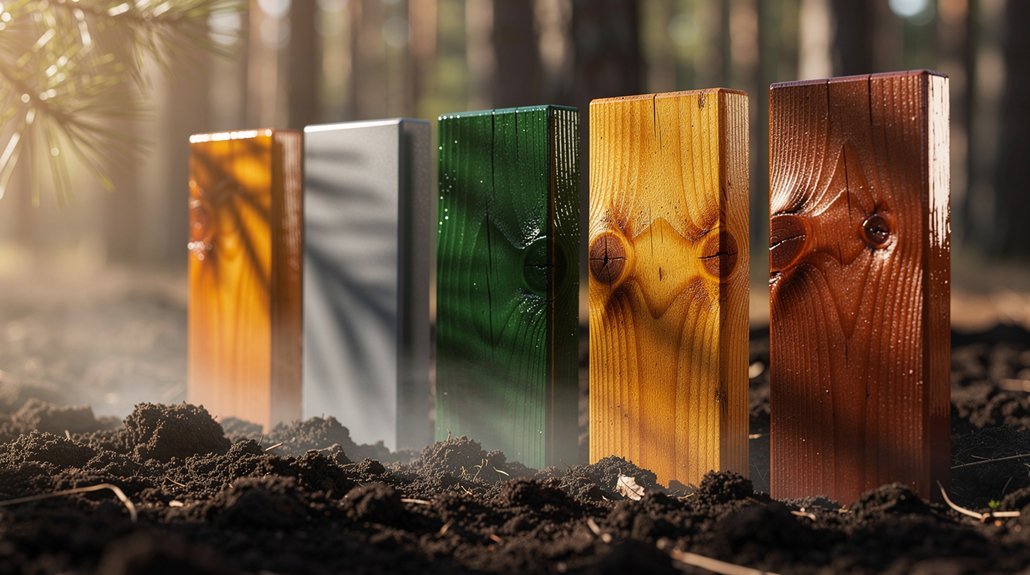
You’re planning a fence that will stay underground for years, so the preservative you choose matters more than the wood itself. In 2026 the top five products blend copper‑based chemistry with deep penetration, low leaching, and easy application—whether you dip, brush, or pressure‑treat. They’re EPA‑registered, work on pine, cedar, and redwood, and promise long intervals between re‑treatments. The next step is to see how each option stacks up against the factors that really affect durability and cost.
| Wolman 1904A WOODLIFE CopperCoat Green Wood Preservative Quart | 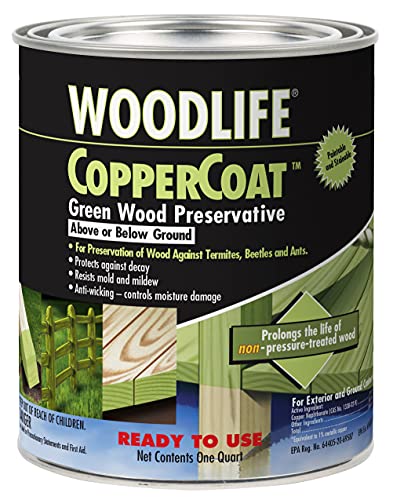 | Best Overall | Application Method: Dip, roller, brush | Primary Active Ingredient: Copper‑based (CopperCoat) | Protection Type: Insecticidal & fungicidal | CHECK ON AMAZON | Read Our Analysis |
| Green Products Co. 30001 Copper Green Wood Preservative 1-Gallon |  | Deep Penetration | Application Method: Dip soaking or pressure impregnation | Primary Active Ingredient: Copper‑Green formulation | Protection Type: Insecticidal, fungicidal, mold‑resistant | CHECK ON AMAZON | Read Our Analysis |
| Post Conservative Fence Repair Kit – 24 Piece DIY Treatment |  | DIY Specialist | Application Method: Drill‑hole stick insertion (DIY kit) | Primary Active Ingredient: EPA‑registered Proservative (copper‑based) | Protection Type: Decay‑stop (fungicidal) | CHECK ON AMAZON | Read Our Analysis |
| Rust-Oleum WOODLIFE Classic Clear Wood Preservative 0.95L |  | Clear Protection | Application Method: Brush or roll (water‑based) | Primary Active Ingredient: Copper‑based (WoodLife Classic) | Protection Type: Fungicidal & water‑repellent | CHECK ON AMAZON | Read Our Analysis |
| Green Products Copper Brown Wood Preservative 1-Quart |  | Budget-Friendly Pick | Application Method: Brush, dip, or pressure impregnation | Primary Active Ingredient: Copper naphthenate | Protection Type: Fungicidal, mold‑resistant, rot‑stop | CHECK ON AMAZON | Read Our Analysis |
More Details on Our Top Picks
Wolman 1904A WOODLIFE CopperCoat Green Wood Preservative Quart
Looking for a preservative that tackles both insects and decay while staying eco‑friendly? Wolman 1904A WOODLIFE CopperCoat Green Wood Preservative delivers a water‑based, matte‑finish shield in a transparent green quart. It’s EPA‑registered, works on untreated or pressure‑treated exterior wood, and handles below‑ground, ground‑contact, fresh‑water, and above‑ground exposure. Apply by dip, roller, or brush to cover 30‑100 sq ft per coat. The copper formula kills termites, powderpost beetles, carpenter ants, and wood‑destroying beetles while fending off decay fungi, mold, and mildew. It also limits swelling from moisture, preserving structural integrity in harsh conditions.
- Application Method:Dip, roller, brush
- Primary Active Ingredient:Copper‑based (CopperCoat)
- Protection Type:Insecticidal & fungicidal
- Suitable Wood Condition:Untreated & pressure‑treated wood
- Packaging Size:1 quart (32 fl oz)
- EPA Registration / Compliance:EPA‑registered exterior wood preservative
- Additional Feature:Transparent green matte finish
- Additional Feature:Suitable for below‑ground use
- Additional Feature:30–100 sq ft coverage
Green Products Co. 30001 Copper Green Wood Preservative 1-Gallon
Need you need a preservative that can truly protect buried fence posts from rot, mold, and insects, the Green Products Co. 30001 Copper Green Wood Preservative in a 1‑gallon bottle is a top contender. It’s designed for exterior use only, sealing wood and killing harmful insects while resisting mold and mildew. You can dip‑soak or pressure‑impregnate, and the Copper‑Green formula drives deeper penetration, extending service life. Copper reacts with cellulose and stays locked in, so leaching is minimal. The result is longer‑lasting wood that endures ground‑contact conditions. Check the product details for full specifications and safety guidelines.
- Application Method:Dip soaking or pressure impregnation
- Primary Active Ingredient:Copper‑Green formulation
- Protection Type:Insecticidal, fungicidal, mold‑resistant
- Suitable Wood Condition:Exterior wood (untreated)
- Packaging Size:1 gallon
- EPA Registration / Compliance:EPA‑registered (implied)
- Additional Feature:Deep penetration formula
- Additional Feature:Copper‑Green reacts with cellulose
- Additional Feature:Suitable for pressure impregnation
Post Conservative Fence Repair Kit – 24 Piece DIY Treatment
If you own a fence that’s already seen five years of weather and soil, the Post Conservative Fence Repair Kit is the simplest way to give those buried posts a fresh, moisture‑triggered shield. You drill a 3/8‑inch hole at the ground line, drop a preservative stick in, and seal it with the removable plug. When moisture reaches 25 % moisture content, the stick melts and releases EPA‑registered Proservative into the wood, halting decay for up to ten years. The 24‑piece set works on any post shape, size, or species, and you can reuse the date‑tag nail to track re‑treatments. It protects but doesn’t rebuild structural strength.
- Application Method:Drill‑hole stick insertion (DIY kit)
- Primary Active Ingredient:EPA‑registered Proservative (copper‑based)
- Protection Type:Decay‑stop (fungicidal)
- Suitable Wood Condition:Existing fence posts (any condition)
- Packaging Size:24‑piece kit (sticks, plugs, tag)
- EPA Registration / Compliance:EPA‑registered Proservative
- Additional Feature:Moisture‑activated preservative sticks
- Additional Feature:Up to 10 years protection
- Additional Feature:Includes date‑tag nail
Rust-Oleum WOODLIFE Classic Clear Wood Preservative 0.95L
Rust‑Oleum WOODLIFE Classic Clear Wood Preservative is the go‑to solution for anyone who wants long‑lasting protection for above‑ground fence posts while still keeping a natural wood appearance. This water‑based, fungicidal formula repels moisture, prevents mold, mildew, and rot, and works on all untreated or pressure‑treated lumber, plywood, and engineered wood. You can apply it as a final clear coat or under an oil‑based primer, then paint or stain if desired. Its anti‑wicking properties stop swelling, shrinking, and warping. The 0.95 L quart offers generous coverage, cleans up with soap and water, and comes with a limited‑lifetime warranty for peace of mind.
- Application Method:Brush or roll (water‑based)
- Primary Active Ingredient:Copper‑based (WoodLife Classic)
- Protection Type:Fungicidal & water‑repellent
- Suitable Wood Condition:Untreated or pressure‑treated lumber
- Packaging Size:1 quart (0.95 L)
- EPA Registration / Compliance:EPA‑registered wood preservative
- Additional Feature:Clear water‑repellent finish
- Additional Feature:Anti‑wicking properties
- Additional Feature:Can be used under paint
Green Products Copper Brown Wood Preservative 1-Quart
Looking for a preservative that can keep your fence posts from rotting underground? Green Products Copper Brown Wood Preservative, 1‑Quart, delivers copper naphthenate protection in a hydrocarbon solvent you brush, dip, or pressure‑impregnate onto most wood species. Its copper‑brown finish offers satin or smooth sheen and repels water, stopping shrinkage, warping, and cracking. One quart (32 fl oz) covers a large surface area, and you can paint over it with oil‑based paints. Deeper penetration extends service life, making it ideal for buried posts. The 2.05‑lb bottle fits easily in a toolbox, and Amazon’s 30‑day return policy backs your purchase.
- Application Method:Brush, dip, or pressure impregnation
- Primary Active Ingredient:Copper naphthenate
- Protection Type:Fungicidal, mold‑resistant, rot‑stop
- Suitable Wood Condition:Most woods (surface protection)
- Packaging Size:1 quart (32 fl oz)
- EPA Registration / Compliance:EPA‑registered (implied)
- Additional Feature:Copper naphthenate base
- Additional Feature:Satin or smooth finish options
- Additional Feature:Paintable with oil‑based paints
Factors to Consider When Choosing Fence Post Ground Contact Preservative for Buried Wood
You’ll want to match the preservative to the wood type you’re using, because compatibility affects longevity. Look for a copper‑based formula that penetrates deeply and blocks both insects and fungi, and make sure it can be applied the way you prefer—whether by brush, spray, or dip. These factors together determine how well the post will hold up underground.
Wood Type Compatibility
What wood are you using for your fence, and does the preservative you pick work with it? Choose a product explicitly labeled for exterior wood and ground‑contact use; this guarantees it can handle the moisture and soil exposure your buried post will face. Verify that the formula works with both untreated lumber and pressure‑treated material, because many preservatives fail on one or the other. Look for compatibility with common fence woods—treated pine, cedar, redwood, or hardwoods—so the coating adheres without cracking or peeling. Ensure the preservative creates a water‑repellent, mold‑resistant barrier that penetrates deeply or is designed for the ground line, maximizing protection where soil moisture is highest. This prevents coating failure and extends your fence’s life.
Copper‑Based Active Ingredient
How does a copper‑based preservative hold up when your fence post sits in damp soil? It relies on copper compounds that bind to cellulose and disrupt microbial cell walls, creating a barrier that resists insects, fungi, and decay. You’ll find many formulas blend copper with additional fungicides and insecticides, targeting termites, mold, and wood‑destroying organisms. For deeper penetration and longer life, look for copper‑green or copper‑naphthenate products applied by dipping, pressure impregnation, or moisture‑activated systems. Check leaching resistance, especially if the post will stay buried for years. Verify compatibility with untreated or pressure‑treated lumber, and confirm the preservative won’t interfere with your chosen finish, paint, or primer. These factors ensure reliable ground‑contact performance without sacrificing aesthetics.
Water Penetration Depth
Ever wonder how far a preservative actually reaches into a buried post? You need a product that penetrates deep enough to stay ahead of moisture. Deeper penetration usually means longer protection, because the chemical stays within the wood where water can’t wash it out. Copper‑based formulas that move into cellulose and bind tightly resist leaching, so they keep working even when soil stays high. Look for treatments that claim pressure impregnation or dip soaking; those methods force the preservative farther down the grain. A deeper barrier at the ground line blocks water ingress, preserving structural integrity. Choose a preservative that remains effective under moist conditions and creates a lasting shield against water penetration.
Insect and Fungal Protection
While deep penetration keeps moisture out, the next step is ensuring the wood stays resistant to insects and fungi. You’ll want a preservative that tackles termites and wood‑boring insects, because those pests can chew through even well‑dried posts. Look for a formulation that also fights decay fungi, mold, and mildew—these organisms thrive when wood contacts soil. Copper‑based products give you both insecticidal and fungicidal action, and they tend to resist leaching, which is essential for below‑ground installations. Check the product’s re‑treatment schedule; longer intervals mean less maintenance. Finally, verify that the preservative can be applied via deep or pressure impregnation, as proper penetration determines how long the protection lasts against insects and fungi.
Application Method Flexibility
Which method will you you the best balance of ease and deep protection? You can dip, roll, or brush the preservative onto the post, and each technique lets you match the product to the job. Dipping or pressure‑impregnation drives the chemistry deep into the fibers, which is ideal for long‑term buried performance. Rolling and brushing are quicker, give you control over coverage, and work well for on‑site touch‑ups. Look for formulas labeled for underground use; they’re engineered to resist moisture, fungi, and termites. Some sticks or slow‑release systems activate when moisture rises around the ground line, extending protection between re‑treatments. Remember to schedule reloads if the post stays wet for extended periods, ensuring the barrier stays effective.
Environmental Resistance Rating
How do you gauge whether a preservative will truly survive the harsh underground environment? Look at its environmental resistance rating—this number tells you how well the product blocks moisture, decay fungi, termites, mold and mildew in soil‑rich conditions. Higher ratings usually mean deeper wood penetration and a longer service life for ground‑contact posts, footings, and buried sections. Compare water‑based formulas with solvent‑based or copper‑based systems; each type offers a distinct resistance profile that can affect performance under fluctuating water tables. Choose a rating that explicitly lists ground‑contact use, confirming the preservative can withstand constant water ingress and biological attack. Aligning the rating with your site’s moisture level and organism pressure ensures sustained protection for buried wood.
Safety and EPA Registration
Ever wonder if the preservative you’re eyeing actually meets the strict EPA standards for ground‑contact use? First, verify that the label says it’s EPA‑registered for exterior wood in ground‑contact or below‑ground applications. Look for explicit statements about suitability for moisture‑exposed, buried posts—some products only cover above‑ground use. Check the active‑ingredient list; copper‑based formulas, for example, should be listed with claims against termites, fungi, mold, and decay. Read the safety instructions carefully: they’ll tell you about ventilation, protective gear, and handling procedures when you’re working at ground level. Finally, confirm that any warranty or regulatory notes reference compliance with EPA requirements for subterranean wood treatments, ensuring you’re both protected and legally covered.
Coverage and Cost Efficiency
Wondering how much product you’ll actually need for a row of buried fence posts? Start by checking the label’s coverage claim—products that list 30–100 sq ft per application let you cover more wood with fewer coats. Multiply the per‑post surface area by the number of posts and then by the recommended coats to gauge total volume. Choose a preservative engineered for pressure impregnation or deep soak; deeper penetration means each ounce protects more wood, reducing how often you’ll re‑treat. Longer protection intervals cut re‑application frequency, slashing labor and material costs over the fence’s life. Water‑based formulas usually clean up faster and let you return posts to service sooner, saving time and labor compared with solvent‑based options. Balancing high coverage, deep penetration, and extended re‑treatment intervals maximizes cost efficiency.
Frequently Asked Questions
How Long Does a Preservative Last on Buried Wood?
You’ll see it protect buried wood for about 10‑15 years, depending on moisture, soil chemistry, and product quality; regular inspections and re‑application can extend that lifespan further.
Can I Apply Preservative After Posts Are Already Installed?
Yes, you can treat already‑installed posts, but you’ll need to drill holes or use a pressure‑spray system to get preservative into the wood. Clean the surface first, then apply the product according to label instructions.
Do These Products Affect Soil pH?
Yes, they can shift soil pH, especially copper‑based or alkaline preservatives; you’ll see a slight rise in pH, while oil‑based options usually leave pH unchanged, so test the ground after treatment.
Are There Eco‑Friendly Alternatives to Copper‑Based Preservatives?
Yes, you can choose eco‑friendly alternatives like borate‑based powders, plant‑derived oils, or bio‑fungal treatments; they protect wood without copper, reduce toxicity, and still meet durability standards.
What Safety Gear Is Required During Application?
You’ll need a chemical‑resistant suit, goggles, nitrile gloves, and a half‑face respirator with organic vapor cartridges. Also wear sturdy boots, a hat, and ensure proper ventilation to avoid inhalation.


Leave a Reply