
You’re probably wondering how to keep a rotted fence post from falling apart without tearing up the yard. In 2026 the top five spurs blend rust‑proof steel, low‑impact installation, and recyclable finishes, so you can reinforce a post while staying eco‑friendly. The right choice hinges on material durability, soil disturbance, and end‑of‑life recycling—details that will shape your fence’s longevity.
| 4 Fence Post Repair Kit (4-Pack) with Steel Stakes |  | Best Overall | Material: Heavy‑duty steel | Installation Method: No digging, stake‑in place | Compatibility (Post Size): Fits various concreted‑in post sizes/shapes | CHECK ON AMAZON | Read Our Analysis |
| Fence Post Driver with Handle 17LB Pounder 3.7″ Inner Dia |  | Pro‑Grade Choice | Material: High‑quality steel | Installation Method: Place driver, lift, release to drive post | Compatibility (Post Size): Accepts posts up to 3.5 in diameter | CHECK ON AMAZON | Read Our Analysis |
| TOPZEA 2‑Pack Heavy‑Duty Fence Post Stabilizer Stakes |  | Heavy‑Duty Solution | Material: Premium steel (rust‑proof coating) | Installation Method: Hammer stake, screw bracket to post | Compatibility (Post Size): Designed for 4×4 / 6×6 wood posts | CHECK ON AMAZON | Read Our Analysis |
| Zareba 4‑Foot Electric Fence Posts – 50 Pack |  | Quick‑Install Pick | Material: UV‑resistant polypropylene with ribbed steel I‑beam | Installation Method: Step‑in post, foot placement, molded clips | Compatibility (Post Size): Works with electric fence wire up to 2 in wide | CHECK ON AMAZON | Read Our Analysis |
| Fence Shock 30‑Pack 41″ Stainless Steel Post – White | 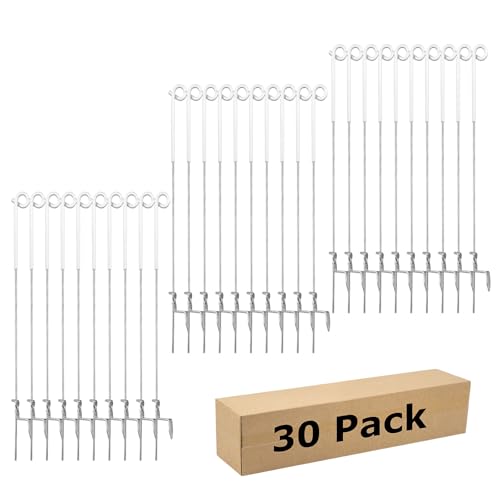 | Premium Durability | Material: Galvanised spring steel (stainless‑steel exterior) | Installation Method: Step‑in post with crimped foot, no digging | Compatibility (Post Size): Compatible with standard steel/aluminum or poly wire | CHECK ON AMAZON | Read Our Analysis |
More Details on Our Top Picks
4 Fence Post Repair Kit (4-Pack) with Steel Stakes
Looking for a quick, hassle‑free way to rescue broken fence posts without digging up the whole line? This 4‑pack Fence Post Repair Kit gives you two steel stakes per unit, letting you fix two broken wood posts in minutes. The non‑return serrations on the bottom third grip the concrete securely, so the stakes won’t pull out. Heavy‑duty steel stays sturdy yet flexible, lasting years even in hard‑to‑reach spots. You skip costly excavation, avoid hiring a contractor, and keep any post size or shape in place. The kit’s affordable price and larger bulk options make DIY repair a smart, budget‑friendly choice.
- Material:Heavy‑duty steel
- Installation Method:No digging, stake‑in place
- Compatibility (Post Size):Fits various concreted‑in post sizes/shapes
- Durability/Coating:Heavy‑duty steel, long‑lasting
- Pack Quantity:4‑pack (2 stakes per kit, repairs 2 posts)
- Primary Use:Repair broken or rotted fence posts
- Additional Feature:Non‑return serrations
- Additional Feature:No digging required
- Additional Feature:Heavy‑duty steel
Fence Post Driver with Handle 17LB Pounder 3.7″ Inner Dia
If you need a fast, one‑person solution for driving metal fence posts, the 17 lb Fence Post Driver with Handle delivers exactly that. Its 3.7‑inch inner diameter fits posts up to 3.5 inches, and the high‑quality steel body with red, corrosion‑resistant powder coating stands up to tough soil. You simply place the driver over the post, lift, and release—its ergonomic grip reduces fatigue while you work. We 16.5 × 10.6 inches, the tool is compact yet powerful enough for T‑posts, U‑channel signs, or wooden posts. One red pounder comes in the pack, ready for any fencing project.
- Material:High‑quality steel
- Installation Method:Place driver, lift, release to drive post
- Compatibility (Post Size):Accepts posts up to 3.5 in diameter
- Durability/Coating:Corrosion‑resistant powder coating
- Pack Quantity:Single unit
- Primary Use:Drive fence posts deeply into ground
- Additional Feature:Ergonomic hand grip
- Additional Feature:One‑person operation
- Additional Feature:Red powder‑coat finish
TOPZEA 2‑Pack Heavy‑Duty Fence Post Stabilizer Stakes
The TOPZEA 2‑Pack Heavy‑Duty Fence Post Stabilizer Stakes are perfect for homeowners who need a quick, no‑dig fix for leaning or rotted posts. Their 31.5‑inch length and 15.6‑inch tip depth let you anchor 4×4 or 6×6 wood posts without excavation. The H‑shaped frame with two triangular spikes grips the soil firmly, so wind and rain won’t sway your fence, pergola, or mailbox. Premium steel and a rust‑proof black coating keep the stakes durable year‑round. Each kit includes screws, a hex tool, and a drill bit, letting you assemble the bracket, hammer it in, and secure the post in minutes. This lightweight, heavy‑duty solution adds stability and safety to any outdoor structure.
- Material:Premium steel (rust‑proof coating)
- Installation Method:Hammer stake, screw bracket to post
- Compatibility (Post Size):Designed for 4×4 / 6×6 wood posts
- Durability/Coating:Rust‑proof black coating
- Pack Quantity:2‑pack (2 anchor kits)
- Primary Use:Stabilise and reinforce leaning/broken posts
- Additional Feature:H‑shaped anchor design
- Additional Feature:Includes screws & hex tool
- Additional Feature:Rust‑proof black coating
Zareba 4‑Foot Electric Fence Posts – 50 Pack
Farmers, ranchers, and anyone needing a quick, temporary boundary will find the Zareba 4‑Foot Electric Fence Posts (50‑pack) ideal because they snap into the ground at a perfect 39 inches, letting you set up a sturdy perimeter in minutes without permanent stakes. You’ll appreciate the step‑in design that locks the post securely, while the anti‑rotation spike stops it from turning under tension. Each post holds up to two inches of poly‑tape or wire with eight molded clips, letting you adjust fence height easily. Made from UV‑resistant polypropylene and reinforced with a ribbed steel I‑beam, they stay rigid and weather‑proof for the season.
- Material:UV‑resistant polypropylene with ribbed steel I‑beam
- Installation Method:Step‑in post, foot placement, molded clips
- Compatibility (Post Size):Works with electric fence wire up to 2 in wide
- Durability/Coating:UV‑resistant polypropylene, reinforced steel I‑beam
- Pack Quantity:50‑pack (individual posts)
- Primary Use:Temporary ground stakes for electric or garden fences
- Additional Feature:Anti‑rotation spike
- Additional Feature:Molded clips for wire
- Additional Feature:UV‑resistant polypropylene
Fence Shock 30‑Pack 41″ Stainless Steel Post – White
Looking for a durable, weather‑proof post that won’t rot under the sun or soil? The Fence Shock 30‑Pack 41″ Stainless Steel Post in White delivers exactly that. Each 41‑inch, 6.3 mm‑diameter post features two rugged crimped feet and a galvanized spring‑steel core, ensuring stability in hard ground. The insulated pigtail lets you connect standard steel, aluminum, or poly wire without corrosion worries. UV‑stabilized pipe resists sun damage, while the white finish blends into garden or farm settings. You receive 30 units, perfect for expanding electric fences quickly and maintaining a long‑lasting, rot‑free barrier.
- Material:Galvanised spring steel (stainless‑steel exterior)
- Installation Method:Step‑in post with crimped foot, no digging
- Compatibility (Post Size):Compatible with standard steel/aluminum or poly wire
- Durability/Coating:UV‑stabilised pipe, galvanized steel
- Pack Quantity:30‑pack (individual posts)
- Primary Use:Portable step‑in posts for electric fencing and hard ground
- Additional Feature:Insulated pigtail
- Additional Feature:Galvanised spring steel
- Additional Feature:UV‑stabilised pipe
Factors to Consider When Choosing Fence Post Spurs for Extending Rotted Post Life Naturally
When you pick a fence post spur, start by checking the material’s durability and how well it matches your post’s wood type. Make sure the installation process is simple, the price fits your budget, and the spur can handle the soil conditions and load capacity you need. Finally, consider how easy it will be to maintain over time.
Material Material Dur Hard Compatibility
Why does material hardness matter when picking fence‑post spurs? Hardness determines how well a spur resists deformation under load; steel gives you rigidity, while alloyed, coated steel adds wear and corrosion resistance. You’ll need a spur whose cross‑section matches your post—4 × 4 or 6 × 6—so it anchors without splitting the wood. Choose a tip that penetrates soil firmly; sharper, robust anchors reduce pull‑out, especially in moist or acidic ground. Look for galvanized or powder‑coated finishes to fend off rust, and consider UV‑stabilized plastics if you prefer a lighter option. Those plastics stay dimensionally stable under sunlight, preserving grip and extending the life of your repaired post.
InstallationSimple Installation Cost
Hardness and fit set the stage, but the real advantage of a good fence‑post spur lies in how quickly you can get it on the job and how little it costs. When you line up the spur with the rotted post, you’ll only need a hammer, drill, a few screws, and a level—no heavy equipment or trenching. Most models snap or slide into place, letting you finish each post in under 30 minutes. Adjustable designs accommodate different diameters, so you won’t waste time cutting or fabricating custom parts. Because the process is DIY‑friendly, the price tag stays modest, often just a few dollars per spur. Those savings multiply when you extend the post’s life instead of replacing the whole fence section.
Soil Compatibility Durability
Choosing a fence‑post spur that matches your soil’s chemistry and moisture level is essential for long‑term durability. You’ll want a spur made from corrosion‑resistant material, like galvanized or powder‑coated steel, because it can handle pH swings and constant dampness without rusting. Look for a design that locks firmly into the earth, giving the post stable contact and preventing movement that lets water seep into the wood. A thick‑gauge shaft, solid welds or rivets, and a UV‑ and moisture‑proof finish will keep the spur intact through seasons of exposure. When you select a spur with these features, you’ll see slower rot progression and a longer‑lasting fence line.
Load Capacity Rating
How much weight can your spur actually hold? The load capacity rating tells you the maximum vertical load the spur can support without failing, so you can match it to the rotted post’s size and the wind and soil forces you expect. Larger, thicker‑steel spurs or those with reinforced joints usually carry higher ratings. Make sure the rating covers the post’s diameter and length, because a bigger post needs more stabilizing force to stay in place. Since rot weakens the wood, opt for a conservative rating that exceeds the combined static and dynamic loads you anticipate. Always check the manufacturer’s specification and verify it surpasses your projected loads to keep the post from pulling out over time.
Maintenance Simplicity
Ever wondered how quickly you can secure a rotted fence post without digging up the whole yard? You’ll want spurs that snap into place with simple clamps or stakes, so you skip heavy tools and complex assembly. Pick rust‑resistant steel or coated aluminum; they stay strong and need no repainting. Look for kits that bundle a few parts and include a single‑step guide—this cuts down inspection time and eliminates guesswork. Adjustable or universal‑fit designs let you accommodate different diameters and rot levels, so you won’t be swapping spurs every season. By choosing these low‑maintenance options, you keep labor costs down and the fence functional for years with minimal effort.
Environmental Impact Considerations
If you prioritize the planet while reinforcing a rotted fence, look at the full lifecycle of the spurs you install. Choose spurs that delay full post replacement, because each avoided wood swap cuts waste and preserves forest resources. Opt for corrosion‑resistant, locally sourced steel to keep leaching and soil contamination low. Minimal‑invasive mounting protects surrounding vegetation and reduces ground disturbance compared with full‑post removal. Weigh the spurs’ production footprint against their extended service life, noting that any required chemical treatments could introduce pollutants. Finally, consider recyclability; a spur that can be reclaimed or repurposed at end‑of‑life lessens landfill impact. By balancing durability, material choice, and disposal options, you minimize environmental harm while extending fence longevity.
Frequently Asked Questions
How Do Weather Conditions Affect Post Spur Durability?
You’ll notice weather directly impacts spur durability: rain accelerates rust, freeze‑thaw cracks metal, UV fades paint, and humidity promotes corrosion, so harsher climates shorten lifespan unless you choose weather‑resistant materials.
Can I Use Wooden Spurs on Metal Fence Posts?
Yes, you can attach wooden spurs to metal fence posts, but you’ll need metal bolts or brackets to secure them, and treat the wood with sealant to prevent rot and ensure a tight, durable fit.
What Is the Recommended Spacing Between Spurs for Optimal Support?
You should space the spurs about 24‑30 inches apart, depending on soil softness and post length; tighter spacing gives extra stability, while wider intervals work fine on firm ground.
Do Spurs Interfere With Underground Utilities?
You’ll avoid conflicts if you locate utilities first, then space spurs at least 12 inches away from any pipe or cable. Use a utility‑locating tool, mark the spots, and install spurs clear of those markings.
Are There Eco‑Friendly Materials for Fence Post Spurs?
You can choose eco‑friendly spurs made from reclaimed wood, bamboo, or recycled plastic. They resist rot, blend with nature, and avoid chemicals, letting you protect posts sustainably while keeping installation simple.

Leave a Reply