
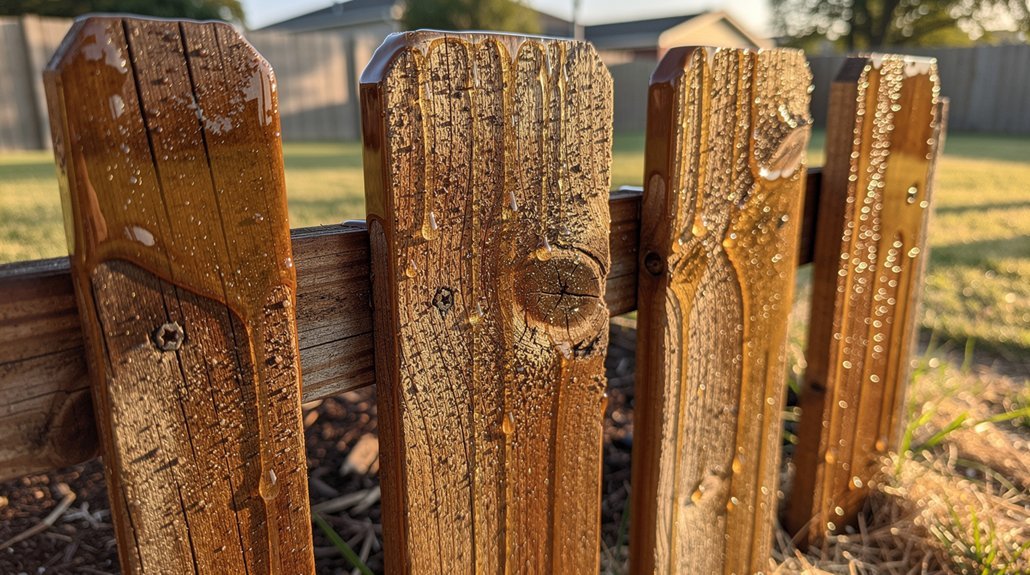
You’ve probably noticed your fence posts swelling, cracking, and losing strength after years of weather exposure, and you’re looking for a reliable way to revive them without a full replacement. The right wood hardener can penetrate deep, form a durable, non‑toxic film, and protect against rot, termites, and thermal shock. Below, you’ll find the five top products that meet those criteria in 2026, plus the key factors you should weigh before deciding which one fits your project best.
| PC-Petrifier Water-Based Wood Hardener 16 oz Milky White |  | Deep Penetration | Form: Liquid | Application Method: Brush, spray, inject | Base Material: Water‑based | CHECK ON AMAZON | Read Our Analysis |
| Minwax 41700000 High Performance Wood Hardener pint |  | High Performance | Form: Liquid | Application Method: Brush, spray, inject | Base Material: Water‑based | CHECK ON AMAZON | Read Our Analysis |
| Wolman 1904A WOODLIFE CopperCoat Green Wood Preservative Quart | 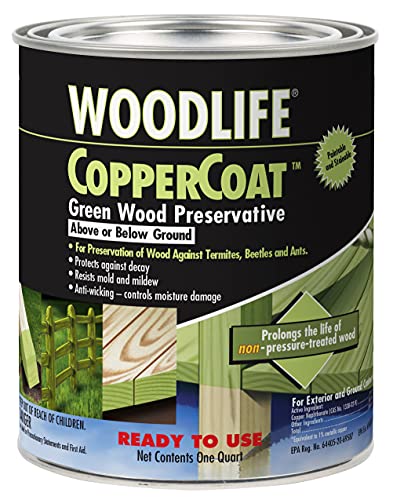 | Superior Preservation | Form: Liquid | Application Method: Dip, roller, brush | Base Material: Water‑based | CHECK ON AMAZON | Read Our Analysis |
| Rustins Wood Hardener for Rotted Wood 500ml |  | Professional Grade | Form: Liquid | Application Method: Brush, spray, inject | Base Material: Water‑based | CHECK ON AMAZON | Read Our Analysis |
| PC-Petrifier Water-Based Wood Hardener 1 gal Milky White |  | Large-Scale Solution | Form: Liquid | Application Method: Brush, spray, inject | Base Material: Water‑based | CHECK ON AMAZON | Read Our Analysis |
More Details on Our Top Picks
PC-Petrifier Water-Based Wood Hardener 16 oz Milky White
If you need a quick, non‑toxic fix for rotted fence‑post wood that isn’t structurally compromised, the PC‑Petrifier Water‑Based Wood Hardener in milky‑white, 16 oz is the go‑to choice. Its low‑viscosity, penetrates deep into softened fibers, sealing and restoring them for priming or painting. Apply with a brush, spray, or injector to dry wood; avoid wet surfaces and any borate‑based products. Once cured, the milky white coating becomes non‑conductive and non‑toxic, handling thermal shock well. Use it on window sills, frames, trim, or decorative beams, but skip structural repairs—reach for Pc‑Rot Terminator instead.
- Form:Liquid
- Application Method:Brush, spray, inject
- Base Material:Water‑based
- Wood Condition Treated:Rotted / insect‑damaged wood
- Non‑Conductive After Cure:Non‑conductive
- VOC Level:≤ 85 g/L
- Additional Feature:Low‑viscosity deep penetration
- Additional Feature:Non‑structural repair focus
- Additional Feature:Compatible with priming/painting
Minwax 41700000 High Performance Wood Hardener pint
Looking for a wood hardener that actually penetrates deep into rotted fence posts and creates a rock‑hard, moisture‑proof base? Minwax 41700000 High Performance Wood Hardener comes in a pint, delivering a resin that seeps into decayed fibers and binds them into a solid core. You apply it before the Minwax High Performance Wood Filler, so the filler adheres to a reinforced, moisture‑sealed surface. The formula works on interior and exterior wood, sealing out water and preventing further rot. After it cures, you get a rock‑hard base that holds screws and nails, giving your fence post lasting strength.
- Form:Liquid
- Application Method:Brush, spray, inject
- Base Material:Water‑based
- Wood Condition Treated:Rotted / insect‑damaged wood
- Non‑Conductive After Cure:Non‑conductive
- VOC Level:Not specified
- Additional Feature:Prepares wood for filler
- Additional Feature:Rock‑hard solid base
- Additional Feature:Seals moisture effectively
Wolman 1904A WOODLIFE CopperCoat Green Wood Preservative Quart
Wolman 1904A WOODLIFE CopperCoat Green Wood Preservative, Quart is the go‑to solution for homeowners who need a fast‑acting, water‑based protectative that shields fence posts from termites, rot, and moisture‑induced warping. You’ll appreciate its EPA‑registered formula, which works on untreated or pressure‑treated wood, both above and below ground. The transparent‑green, matte finish see in, while the copper‑based blend kills termites, carpenter ants, powderpost beetles, and decay fungi. Apply with a brush, roller, or dip; one quart covers roughly 30‑100 sq ft. It’s lightweight, 2.2 lb, and fits in a 32 fl oz can, making storage and handling a breeze.
- Form:Liquid
- Application Method:Dip, roller, brush
- Base Material:Water‑based
- Wood Condition Treated:Exterior wood (rot, insects, fungi)
- Non‑Conductive After Cure:Not specified (assumed non‑conductive)
- VOC Level:Not specified
- Additional Feature:Copper‑based insecticide/fungicide
- Additional Feature:EPA‑registered preservative
- Additional Feature:Suitable for ground‑contact use
Rustins Wood Hardener for Rotted Wood 500ml
Who needs a reliable fix for rotted fence posts? You’ll find Rustins Wood Hardener for Rotted Wood 500 ml penetrates deep, revitalizing weakened fibers and giving you a solid foundation for any repair. This professional‑grade stabilizer fortifies soft or damaged wood, delivering durable results that stand up to outdoor stress. Application is straightforward: just brush or spray the formula, and you’ll see immediate reinforcement without waiting for cure. It works on decks, fences, furniture, and more, so you can treat indoor and outdoor projects alike. Plus, it enhances the wood’s natural beauty while extending its lifespan, protecting your investment for years to come.
- Form:Liquid
- Application Method:Brush, spray, inject
- Base Material:Water‑based
- Wood Condition Treated:Rotted / decayed wood
- Non‑Conductive After Cure:Not specified (assumed non‑conductive)
- VOC Level:Not specified
- Additional Feature:Professional‑grade stabilizer
- Additional Feature:Indoor/outdoor versatility
- Additional Feature:Enhances natural wood beauty
PC-Petrifier Water-Based Wood Hardener 1 gal Milky White
If you need a wood hardener that penetrates deep into rotted fence‑post fibers without the hassle of mixing chemicals, PC‑Petrifier’s water‑based, milky‑white formula is a solid pick. The low‑viscosity liquid seeps into soft wood, consolidating fibers and boosting hardness while you avoid extensive removal. You can brush, spray, or inject it, but make sure the surface is dry—wet wood blocks absorption. It’s non‑structural, perfect for priming and painting, and it won’t react with borate products. One gallon, 128 oz, fits comfortably in a 12‑inch bottle, and its VOC level stays under 85 g/L, keeping the job eco‑friendly.
- Form:Liquid
- Application Method:Brush, spray, inject
- Base Material:Water‑based
- Wood Condition Treated:Rotted / insect‑damaged wood
- Non‑Conductive After Cure:Non‑conductive
- VOC Level:≤ 85 g/L
- Additional Feature:Single‑component adhesive/consolidant
- Additional Feature:Environmentally friendly formula
- Additional Feature:Large‑volume economical size
Factors to Consider When Choosing Outdoor Wood Hardener for Strengthening Weathered Fence Posts
You should first check how deep the hardener can penetrate the wood, because deeper absorption means stronger reinforcement. Next, consider its moisture resistance, non‑toxic curing, and whether it works with your preferred application method. Finally, make sure it can stand up to UV exposure and stay durable over time.
Penetration Depth Capability
Ever considered how deep a wood hardener can actually soak into a rotted fence post? You’ll want a low‑viscosity formula that slides into soft fibers, because deeper penetration consolidates decayed zones and gives a solid base for fillers. Dry, porous wood absorbs the product far better than damp or intact sections, so prep the post by removing loose material and letting it dry. Look for hardeners that claim to travel beyond the surface layer; they usually work across species, but effectiveness drops with severe decay. Higher penetration usually means longer‑term stabilization, yet you must apply carefully to prevent over‑saturation and runoff on exposed surfaces. Choose a product that balances deep reach with controlled absorption for the best post reinforcement.
Moisture Resistance Level
Penetration depth gets the hardener into the wood, but once it’s set, the real test is how well it keeps water out. Moisture resistance level tells you how effectively the cured film blocks water ingress, preventing swelling and rot in weathered fence posts. Choose a product that advertises a concrete water‑resistance rating or sealed‑surface claim, because that data reflects the barrier’s durability under rain, snow, and humidity. Even water‑based hardeners can provide strong resistance if their chemistry forms a compatible, impermeable layer on exterior wood. Look for formulations that explicitly state they “seal against moisture” and work with exterior preservatives, ensuring long‑term dimensional stability and reduced decay. Higher resistance means fewer repairs and a longer‑lasting fence.
Non‑Toxic Curing Process
Why does a non‑toxic cure matter when you’re treating weathered fence posts? Because once the hardener sets, you’ll want a surface that won’t leach harmful chemicals onto pets, kids, or soil. Look for water‑based formulas that skip volatile organic compounds and hazardous solvents; they usually stay under the VOC limits required for safe outdoor use. Ensure the product specifies low to moderate VOC levels—often listed in g/L—so you meet environmental regulations and indoor‑air standards. Apply only in dry conditions; moisture stalls polymerization and can trap solvents, compromising the cure. Finally, keep the hardener away from incompatible sealers or paints, because even a non‑toxic system can be ruined by chemical clashes, reducing both durability and safety.
Application Method Compatibility
When evaluating a wood hardener for your fence posts, consider how the product’s application method aligns with the post’s accessibility and condition. If the post is exposed and you can reach every side, a brush‑on or spray formula works well. For deep rot or hard‑to‑reach areas, choose a low‑viscosity product that you can inject into the wood pores; this ensures the resin penetrates the weathered fibers and consolidates the structure. Make sure the wood is completely dry before you start—wet surfaces block absorption and ruin performance. Remember, most hardeners are non‑structural; you’ll still need fillers or a protective coating afterward. Avoid mixing the hardener with borate treatments or incompatible sealants, as reactions can weaken the bond.
Durability Under UV Exposure
A wood hardener that can stand up to the sun’s UV rays is essential for keeping weathered fence posts strong. You need a product that resists UV breakdown so it won’t crack, discolor, or lose adhesion after months of exposure. Choose formulas that form a UV‑stable seal, limiting moisture ingress and slowing surface checking. Clear or low‑color‑binding options keep the post’s natural look while still penetrating deep enough to reinforce decayed fibers. Look for hardeners whose cure time remains consistent under intense sunlight, preventing premature hardening or soft spots. When the coating stays intact, it protects the wood’s cellular structure, extending the post’s lifespan and preserving its strength despite relentless sun exposure.
Temperature Fluctuation Tolerance
Ever wonder how a wood hardener survives the swing from scorching summer heat to icy winter freezes? You’ll want a formula that stays flexible and adherent through freeze‑thaw cycles. Low‑viscosity, water‑based or carboxylated systems penetrate deep, creating a uniform cure that won’t crack when temperatures jump. Look for epoxy‑ or polyacrylate‑like resins, which handle thermal shock better than solvent‑based alternatives. Check the label for operating and storage ranges that cover your local highs and lows; a product rated from –30 °F to 120 °F will keep the wood stable year‑round. Non‑conductive, non‑toxic cured films further protect the post by resisting thermal stress, preventing additional wood damage as the climate shifts.
Environmental Impact Profile
What really matters is how the hardener’s chemistry interacts with the environment around your fence. Choose a water‑based formula; it typically emits up to 85 g/L VOCs—far lower than solvent‑based options—so you reduce airborne pollutants. Once cured, the product becomes non‑toxic, protecting nearby soil and limiting health risks for pets or children. Still, water‑based hardeners linger less in the ecosystem, but you must dispose of excess liquid and containers responsibly to avoid runoff. Avoid products containing borates if your soil chemistry is a concern, as they can alter long‑term nutrient balances. Apply only to dry wood; moisture hampers penetration and can increase leaching, compromising both durability and environmental safety.
Frequently Asked Questions
How Long Does Each Product Take to Fully Cure on Fence Posts?
You’ll see full cure times ranging from 24 hours for fast‑acting formulas to 48 hours for deeper‑penetrating hardeners, so plan to keep traffic off the post until the specified period passes.
Can These Wood Hardeners Be Applied in Freezing Temperatures?
You can’t apply most wood hardeners when it’s below 40 °F; the chemicals won’t penetrate or cure properly. Wait for above‑freezing weather or use a product specifically rated for low temperatures.
Do Any of These Hardeners Repel Insects or Prevent Rot?
You’ll find that most modern wood hardeners contain biocides, so they do repel insects and inhibit rot, but check each product’s label to confirm the specific protection level you need.
What Safety Gear Is Required When Spraying These Products?
You’ll need gloves, goggles, a respirator or mask, long sleeves, and coveralls. Use a well‑ventilated area, and keep a fire extinguisher nearby in case of accidental ignition.
Are These Wood Hardeners Safe for Use Near Edible Plants?
Yes, most wood hardeners are safe near edible plants if you follow label directions, keep a reasonable distance, and let the product cure fully before any plant contact or harvesting.

Leave a Reply