

You’re looking for garden edging that blends durability with rustic charm, and the right peeled‑log choice can transform a plain border into a natural focal point. From eucalyptus to seasoned pine, each option offers rot‑resistance, flexible shaping, and easy installation with galvanized or carbonized finishes. The differences in profile, length, and finish affect how the edging we with your landscape’s texture and maintenance goals—so the next step is figuring out which material and style align best with your vision.
| Backyard X-Scapes Natural Eucalyptus Log for Garden Edging | 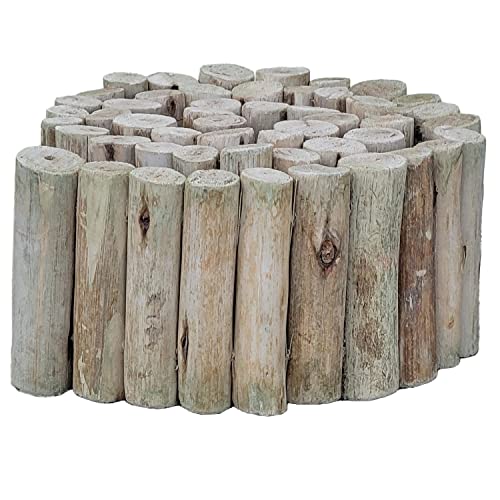 | Best Overall | Material: Natural eucalyptus solid wood | Shape: Full‑round log | Installation Method: No‑dig, place‑and‑link with wire | CHECK ON AMAZON | Read Our Analysis |
| Wood Garden Edging Decorative Small Picket Panels |  | Budget-Friendly Pick | Material: Carbonized wood | Shape: Small picket panel | Installation Method: Wire‑linked panels, optional ground stakes | CHECK ON AMAZON | Read Our Analysis |
| Wood Garden Edging Log Fence Border (8 Pack) | 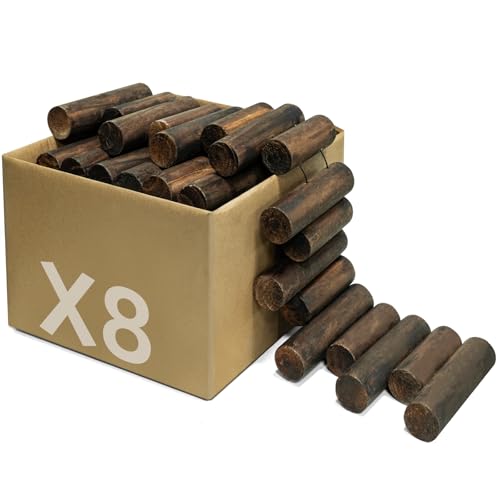 | Heavy-Duty Choice | Material: Carbonized whole log wood | Shape: Full‑round log | Installation Method: No‑dig, place‑and‑link with wire | CHECK ON AMAZON | Read Our Analysis |
| Wood Garden Half‑Round Border Fence (7.8″×4ft) | 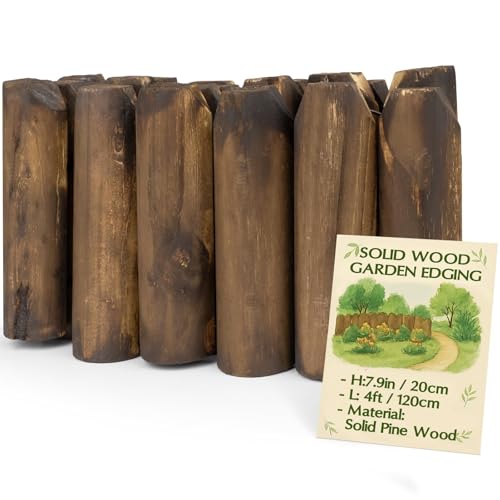 | Rustic Classic | Material: Carbonized wood | Shape: Half‑round panel | Installation Method: Ground trench, backfill, wire‑cut to length | CHECK ON AMAZON | Read Our Analysis |
| Worth Garden Log Rolls Edging – 6.5″ x 47″ Burnt Wood Fence Border |  | Flexible Fit | Material: Burnt wood | Shape: Full‑round log | Installation Method: No‑dig, place‑and‑roll, flexible bend | CHECK ON AMAZON | Read Our Analysis |
More Details on Our Top Picks
Backyard X-Scapes Natural Eucalyptus Log for Garden Edging
Backyard X‑Scapes’ Natural Eucalyptus Log is the ideal choice for DIY gardeners who want sturdy, low‑maintenance edging that looks handcrafted without the hassle of digging. You’ll place a 72‑inch long, 6‑inch high log that weighs about 11 pounds directly on the soil; its galvanized‑wire ties keep it steady. The natural eucalyptus wood resists rot better than many alternatives, so you won’t need frequent replacements. Its 1‑2‑inch diameter variation adds authentic texture, while the flexible design lets you curve or straighten borders for flower beds, walkways, or tree rings. Six pieces per set give you ample material for crisp, rustic lines.
- Material:Natural eucalyptus solid wood
- Shape:Full‑round log
- Installation Method:No‑dig, place‑and‑link with wire
- Length per Piece:72 in (6 ft)
- Weight per Piece:11 lb
- Durability Treatment:Naturally rot‑resistant eucalyptus
- Additional Feature:Galvanized wire linkage
- Additional Feature:Handmade natural variation
- Additional Feature:No assembly required
Wood Garden Edging Decorative Small Picket Panels
Looking for a garden border that stays pristine without paint or stains? You’ll love the Wood Garden Edging Decorative Small Picket Panels. The carbonized wood resists cracking, warping, yellowing, and splintering, so you skip painting and staining entirely. A metal inner core ties each plank with two rows of wires, delivering stronger joints than nails and minimizing detachment. Installation is effortless: twist, cut, or fold the panels to fit straight lines, curves, or circles, then drive the four bottom tips into the soil. At 47 × 0.9 × 11.8 inches and 3.05 lb, the ciAmore set offers durable, low‑maintenance charm for any flower bed.
- Material:Carbonized wood
- Shape:Small picket panel
- Installation Method:Wire‑linked panels, optional ground stakes
- Length per Piece:47 in
- Weight per Piece:3.05 lb
- Durability Treatment:Carbonized (crack‑, warp‑, yellow‑resistant)
- Additional Feature:Metal inner core connection
- Additional Feature:Bottom tips included
- Additional Feature:Twist‑and‑cut flexibility
Wood Garden Edging Log Fence Border (8 Pack)
Who wants a sturdy, low‑maintenance border that instantly adds rustic charm to any garden? You’ll love the Wood Garden Edging Log Fence Border (8 Pack). Each log measures 6.9 inches high, 3 feet long, and 1.9 inches in diameter, weighing over 10 pounds for rock‑solid stability. The carbonized whole‑log design resists cracking, warping, yellowing, and splintering—no paint or stain needed. Flat bottoms sit securely on hard surfaces, making installation a breeze. Use them on lawns, patios, flower beds, pavers, or walkways, indoors or outdoors. Their natural finish offers organic beauty, a perfect alternative to metal or faux stone edging, and they make a thoughtful gift for garden lovers.
- Material:Carbonized whole log wood
- Shape:Full‑round log
- Installation Method:No‑dig, place‑and‑link with wire
- Length per Piece:36 in (3 ft)
- Weight per Piece:~10 lb (over 10 lb noted)
- Durability Treatment:Carbonized (crack‑, warp‑, yellow‑resistant)
- Additional Feature:Flat‑bottom design
- Additional Feature:Indoor & outdoor use
- Additional Feature:Gift‑ready packaging
Wood Garden Half‑Round Border Fence (7.8″×4ft)
Need you want a low‑maintenance, rustic edge that instantly defines flower beds and pathways, the 7.8‑inch‑high, 4‑foot‑long wood half‑round border fence is the perfect pick. Its carbonized wood resists cracking, warping, yellowing, and splintering, so you never have to paint or stain. A steel‑free design with an inner metal core gives strength beyond nail‑only joins, while the half‑round shape adds decorative flair. Install by clearing a level strip, digging a shallow trench, upright the fence, and backfilling with soil. You can cut the wire to fit any length, and buying multiple packs saves money.
- Material:Carbonized wood
- Shape:Half‑round panel
- Installation Method:Ground trench, backfill, wire‑cut to length
- Length per Piece:48 in (4 ft)
- Weight per Piece:Not specified (light wood)
- Durability Treatment:Carbonized (crack‑, warp‑, yellow‑resistant)
- Additional Feature:Steel‑free rustic wood
- Additional Feature:Wire length adjustable
- Additional Feature:Shallow trench installation
Worth Garden Log Rolls Edging – 6.5″ x 47″ Burnt Wood Fence Border
If you want a rugged, low‑maintenance border that instantly adds rustic charm, the Worth Garden Log Rolls Edging—6.5″ × 47″ with a burnt‑wood finish—delivers. Its 1.7‑inch‑diameter logs weave into a dense, flexible strip that you can bend, roll, or shape without digging or hammering. Weighing just eight pounds, it stays firmly in place on lawns, flower beds, or pathways, creating a warm, natural atmosphere. The burnt‑wood finish resists weathering while preserving a natural look. Easy to install and store, it separates garden zones and adds visual interest, making it a versatile, heavy‑duty edging solution.
- Material:Burnt wood
- Shape:Full‑round log
- Installation Method:No‑dig, place‑and‑roll, flexible bend
- Length per Piece:47 in
- Weight per Piece:8 lb
- Durability Treatment:Burnt finish (weather‑resistant)
- Additional Feature:Flexible rollable design
- Additional Feature:Burnt wood finish
- Additional Feature:No digging required
Factors to Consider When Choosing Peeled Log Garden Edging for Rustic Landscaping
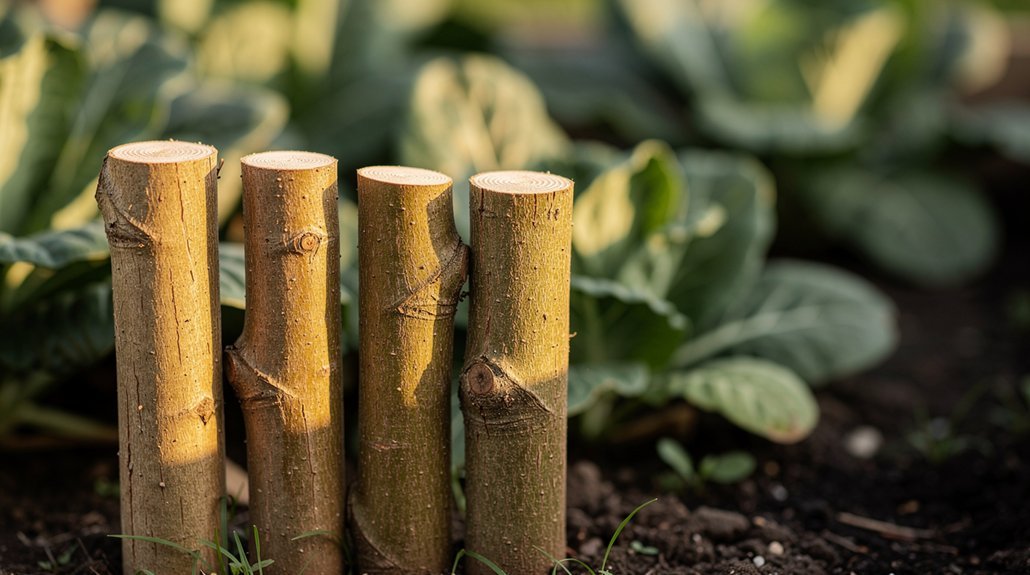
You’ll want to pick a log that’s sturdy enough for long‑term use, so check its durability and natural weather resistance. Consistent log diameter makes installation smoother and helps maintain an even edge. Finally, make sure the wood’s color and texture blend with your garden’s style for a cohesive, rustic look.
Dur Dur Selection Durability
What makes a peeled‑log edging truly durable? You’ll want a wood that resists rot, decay, and weathering. Eucalyptus logs give you that edge, holding up longer than many softer species. Look for panels that have been carbonized or burnt—those treatments curb cracking, warping, yellowing, and splintering, keeping the edge stable through sun and rain. Choose whole‑log designs with thick diameters, around 1.9 in to 2 in, because the extra mass anchors the edging and prevents shifting. Heavy‑duty construction matters too; metal wire connections or inner cores reinforce joints and stop boards from detaching under load. Remember, handmade pieces may vary in width, but that natural variability doesn’t diminish overall durability.
Log Diameter Consistency
Durability is only half the story; the next factor to weigh is how consistently the logs keep the same diameter. When you prioritize uniformity, you’ll notice straight borders line up cleanly, while even a 1‑inch variation can create gaps that force you to adjust spacing or add filler pieces. Look for edging that stays within a tight tolerance—ideally less than an inch—so you can predict contact points and anchor each log without constant re‑measuring. If the logs vary more, you’ll need flexible layouts, like gentle curves or irregular beds, to preserve a rustic vibe without unsightly misalignments. Planning for slight gaps or stacking tweaks lets you maintain cohesion, even when natural, handmade logs inevitably introduce some variation. This approach streamlines installation and keeps your garden edging looking intentional and polished.
Natural Weather Resistance
Ever wondered how some garden borders stay pristine year after year while others quickly succumb to rot? You’ll notice that eucalyptus logs, with their natural oils and hardness, resist decay better than softer woods. Choosing carbonized or heat‑treated logs further boosts durability—these processes curb cracking, warping, yellowing, and splintering under sun, rain, and frost. Opt for whole‑log designs with thicker diameters, around 1.9 inches, because mass adds stability and reduces weather‑induced warping. Stick to undyed, natural finishes; they need little upkeep and keep moisture out while preserving a rustic look. By prioritizing these traits, you’ll ensure your edging endures the elements without sacrificing style.
Flexible Installation Options
Because many homeowners want a border that follows winding paths or irregular beds, flexible installation becomes a key factor when selecting peeled‑log edging. You’ll want a system that lets you shape curves without heavy digging or permanent posts. Look for edging that incorporates galvanized wire or a metal inner core; these components lock the logs in place while you bend or fold them on the spot. Carbonized or treated wood resists cracking and warping, so your flexible layout stays intact through seasons. Choose variable diameters—1.7–2 inches wide and 6–7 inches tall—to match tighter radii or broader borders. Rollable or foldable formats let you adjust the design quickly and store excess material, perfect for evolving garden plans.
Aesthetic Compatibility With Landscape
When you pick peeled‑log edging, you’re basically letting the garden’s own texture dictate the border’s look, so the wood’s natural, untreated tone should echo the surrounding landscape. Choose logs whose 1–2 inch diameter and 1.25–1.9 inch thickness match the scale of your planting beds; larger diameters command attention, while slimmer pieces blend into dense foliage. If your garden features curving paths or irregular beds, opt for naturally curved logs that follow those lines, reinforcing a hand‑built feel. Carbonized or lightly burnt finishes add depth, pairing nicely with earthy succulents and dried grasses. Keep the raw grain visible—paint‑free surfaces preserve the organic vibe and ensure the edging feels like an extension of the terrain rather than an afterthought.
Maintenance and Longevity
What determines how long your peeled‑log edging will hold up? First, pick a rot‑resistant species or a carbonized finish; those woods stay strong against moisture, warping, and yellowing. Choose logs with galvanized wire connections and skip paint or stain—fewer coatings mean less upkeep. Keep an eye on fit: natural logs vary in diameter and width, so gaps can open and boards may shift over time, compromising stability. Inspect the soil‑to‑wood interface regularly; damp soil clinging to the log accelerates rot. If you notice moisture pooling, lift the log or add a drainage layer. By selecting treated, stable wood and monitoring soil contact, you’ll cut maintenance frequency and extend the edging’s lifespan.
Eco‑Friendly Sourcing Practices
A well‑chosen log edging not only lasts longer but also treads lightly on the planet. When you pick a product, verify it’s sourced from responsibly managed forests; certifications like FSC or PEFC signal sustainable harvesting. Look for natural, carbonized finishes that eliminate the need for chemical treatments, keeping both the soil and waterways cleaner. Choose durable species such as eucalyptus or other rot‑resistant hardwoods—these last longer and reduce the frequency of replacements, cutting waste and resource consumption. Check the warranty and any sustainability statements; they often reveal the manufacturer’s commitment to eco‑friendly practices. By favoring reusable, low‑maintenance logs, you support a circular approach that minimizes your garden’s environmental footprint.
Frequently Asked Questions
How Long Does Peeled Log Edging Last in Humid Climates?
In humid climates, peeled‑log edging typically lasts four to seven years before rot or warping becomes noticeable, especially if you seal it and keep drainage good. Regular inspections can extend its lifespan.
Can I Install Log Edging Without Professional Tools?
Yes, you can install log edging yourself with basic tools like a handsaw, hammer, and level. Measure, cut, and stake the logs, then adjust as needed for a neat, rustic border.
What Maintenance Prevents Mold on Natural Log Edges?
You prevent mold by sealing the logs with a UV‑stable, water‑repellent finish, cleaning them regularly, keeping drainage clear, and trimming any nearby vegetation that traps moisture against the wood.
Do Peeled Logs Attract Specific Garden Pests?
Yes, peeled logs can draw termites, carpenter ants, and beetles, especially if they stay damp. Keep them dry, treat with borate, and rotate sections regularly to deter infestations.
Is Reclaimed Wood Better Than New for Edging Durability?
Yes, reclaimed wood usually outlasts new lumber for edging because its fibers have already proven resistance to rot and warping. You’ll notice fewer cracks, less splitting, and longer structural integrity in your garden.

Leave a Reply