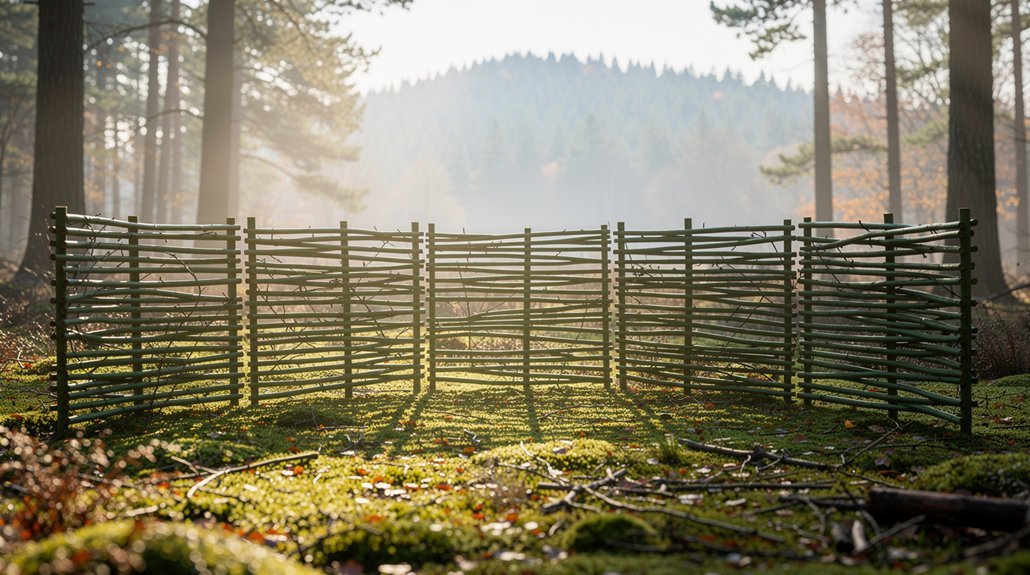

You've decided to build that classic stake-driven fence, but now you're facing the tool selection challenge. A quality wooden mallet makes all the difference between a sturdy installation and a frustrating experience with damaged stakes. The right traditional mallet offers the perfect balance of weight, control, and gentle force that modern hammers simply can't match. Let's explore the top options that blend time-tested craftsmanship with practical design—your wrists and fence posts will thank you.
Edward Tools Rubber Mallet Hammer 16 oz (Ergonomic Grip Handle)
When constructing traditional wooden fences, the Edward Tools Rubber Mallet offers a versatile alternative to classic wooden mallets. This 16 oz tool delivers soft blows that won't damage your fence stakes while providing enough force to drive them securely.
You'll appreciate the ergonomic rubber grip and fiberglass handle with shock absorption, reducing hand fatigue during extended fence installation. At 13 inches long and weighing just over 1.5 pounds, it's well-balanced and comfortable to use.
The eco-friendly rubber head works effectively for wooden fence construction while also serving other projects like flooring and woodworking.
Best For: Homeowners and DIY enthusiasts looking for a versatile, hand-friendly mallet that can deliver controlled force without damaging surfaces during fence installation, furniture assembly, or other household projects.
Pros:
- Ergonomic fiberglass handle with non-slip rubber grip reduces hand fatigue and absorbs shock during extended use
- Eco-friendly rubber head delivers soft but effective blows that won't damage delicate surfaces or materials
- Versatile 16 oz weight and balanced design make it suitable for multiple applications from flooring to woodworking
Cons:
- Some users report issues with the rubber head detaching from the handle during use
- At 1 lb 9 oz, it may be slightly heavier than similar rubber mallets on the market
- Limited to lighter-duty applications compared to metal hammers or heavier mallets
QWORK Wooden Mallet for Woodworking
The QWORK Wooden Mallet stands out as an ideal choice for three types of craftspeople: traditional woodworkers, DIY enthusiasts, and those who need a reliable tool for precision tasks. Crafted from solid beech with German styling, this 9.5-inch mallet weighs just 8.1 ounces—light enough for detailed fence work.
You'll need to set the head upon arrival and should consider treating it with linseed oil to improve durability. The flat head design excels at driving stakes and detail work, though some users report the head needs tightening initially. With a 4.4-star rating from 355 customers, it's proven effective for precision woodworking projects.
Best For: Traditional woodworkers, DIY enthusiasts, and craftspeople who need a lightweight yet durable mallet for precision tasks like detailed woodworking, chisel work, and ice breaking.
Pros:
- Crafted from solid beech wood with German styling for durability and traditional aesthetics
- Lightweight design (8.1 ounces) makes it comfortable for extended use and detailed work
- Versatile tool suitable for multiple applications including installing objects, striking chisels, and crushing ice
Cons:
- Requires initial setup as the head needs to be properly set upon arrival
- Needs maintenance treatment with linseed oil to improve durability and prevent loosening
- Some customers report issues with loose heads that require additional tightening
Estwing Rubber Mallet – 12 oz Double-Face Hammer with Soft/Hard Tips (DFH-12)
Modern fence builders looking for versatility should consider the Estwing Rubber Mallet DFH-12 as a complement to traditional wooden mallets. This American-made tool features a dual-head design with soft and hard tips that won't damage delicate fence components.
You'll appreciate the genuine hickory handle that provides excellent control while reducing fatigue during extended fence construction. The triple wedge construction guarantees the head stays firmly attached through repeated strikes.
At just 1.21 pounds with a 12.33-inch length, it's lightweight enough for precision work yet substantial enough for driving stakes. Its 4.8-star rating from over 4,500 users confirms its reputation for durability and reliability.
Best For: DIY homeowners and professional fence builders seeking a versatile, dual-purpose mallet that won't damage delicate fence components while providing enough force for driving stakes and assembling wooden structures.
Pros:
- American-made quality with triple wedge construction ensuring the head stays firmly attached during repeated use
- Dual-head design with soft and hard rubber tips allows for versatility across different fence installation tasks
- Genuine hickory handle provides excellent control, reduces hand fatigue, and contributes to the tool's impressive 4.8-star rating from over 4,500 users
Cons:
- At 1.21 pounds, may be too heavy for extended overhead work or very delicate applications
- Limited to non-metal striking applications where traditional hammers might be more effective
- Higher price point compared to basic single-face rubber mallets on the market
Schaaf Tools Precision Wood Carving Mallet, 15oz Non-Marring Chisel Hammer
Skilled woodworkers seeking precision and tool protection will find Schaaf Tools' 15oz Wood Carving Mallet an exceptional choice for fence construction. Its non-marring urethane head absorbs shock, protecting your valuable chisels while reducing noise during use.
You'll appreciate the comfortable wooden handle designed to minimize fatigue during extended fence-building sessions. The mallet's excellent balance offers superior control compared to conventional options.
While primarily designed for wood carving and joinery, this 15oz mallet works effectively for smaller fence stakes. Endorsed by Woodcarving Illustrated and professional carvers, it's a versatile addition to your toolkit despite some minor aesthetic imperfections in the urethane head.
Best For: Woodworkers and woodcarvers who need precision striking for detailed work with chisels and gouges while protecting their tools from damage.
Pros:
- Non-marring urethane head absorbs shock and reduces noise, extending the life of expensive woodworking tools
- Ergonomic wooden handle design minimizes hand fatigue during extended use
- Excellent weight (15oz) and balance provides superior control for precise woodworking tasks
Cons:
- Some aesthetic imperfections in the urethane head may be present
- Not ideal for heavy-duty construction work like building fences
- More expensive than conventional wooden or rubber mallets
Wilton B.A.S.H 36 Spike Maul, 10 Lb Head (31036)
Professional fence constructors looking for industrial-strength striking power will find the Wilton B.A.S.H 36 Spike Maul an exceptional alternative to traditional wooden mallets.
This 10-pound powerhouse features a patented hi-vis, drop-forged head with unbreakable handle technology—a steel core that prevents breakage during overstrikes. You'll appreciate the anti-vibe neck and ergonomic rubber grip that reduce fatigue during extended fence-building sessions.
While it excels at driving large stakes and extracting stuck pins, some users report issues with the head loosening over time. Consider this durable tool for your construction equipment maintenance needs, despite mixed feedback on long-term reliability.
Best For: Professional fence installers and construction equipment maintenance crews who need a heavy-duty striking tool for driving large stakes and extracting stuck pins.
Pros:
- Features a patented 46 HRC hi-vis head with unbreakable handle technology and steel core preventing breakage during overstrikes
- Ergonomic design with anti-vibe neck and vulcanized rubber grip reduces worker fatigue during extended use
- Includes safety features like a security plate to prevent head dislodging and a lanyard hole for securing the tool
Cons:
- Some users report issues with the head loosening and spinning after extended use
- Mixed feedback regarding long-term durability compared to traditional wooden-handled tools
- Higher price point than conventional mauls, though warranty is available for broken tools
GREBSTK Wooden Mallet for Woodworking (12")
The GREBSTK Wooden Mallet stands out as a versatile companion for fence builders who value traditional craftsmanship. Crafted from high-hardness beech wood, this 12-inch tool balances durability with precision.
At just 0.81 lb with a well-proportioned head (4.5 x 1.9 x 2.4 inches), you'll appreciate its comfortable handling during extended fence work. While primarily designed for woodworking applications, it's suitable for driving smaller wooden stakes when constructing decorative fencing.
Be aware that the head may occasionally loosen, and for heavier-duty fence posts, you might need something more substantial. Most users report excellent value and quick delivery within days of ordering.
Best For: Woodworking enthusiasts and hobbyists seeking a lightweight, traditional wooden mallet for precision tasks like chisel work, detailed joinery, and light fence construction.
Pros:
- High-quality beech wood construction provides durability while maintaining a lightweight feel at just 0.81 lb
- Versatile tool suitable for multiple applications including woodworking, light stake driving, and tile installation
- Well-balanced 12-inch design with comfortable proportions for extended use without fatigue
Cons:
- Head may occasionally loosen during use, requiring periodic tightening
- Not suitable for heavy-duty fence post installation or high-impact applications
- Some users report it's less durable for serious professional use compared to rubber mallets for certain tasks
LEGLO Rubber Mallet Hammer (24 Oz) for Woodworking and Camping
When constructing traditional wooden fences, you'll want to contemplate the LEGLO Rubber Mallet Hammer as a versatile alternative to classic wooden mallets. This 24-ounce tool features an oil-resistant, durable rubber head that won't damage your wooden stakes or fence components.
The ergonomic 13-inch handle, crafted from soft TPR material with textured gripping surfaces, reduces vibration and prevents slippage—particularly valuable during extended fence installation sessions. Its balanced weight distribution makes it comfortable for prolonged use.
Users consistently praise the LEGLO's performance on various surfaces, including wood and metal. For stake-driven fence projects, you'll appreciate how this mallet effectively drives components without the splintering or marring often caused by metal hammers.
Best For: DIY enthusiasts and professionals seeking a versatile rubber mallet for fence construction, woodworking projects, and camping applications where a soft but effective impact is needed.
Pros:
- Ergonomic TPR handle with textured grip reduces hand fatigue and prevents slippage during extended use
- Oil-resistant rubber head provides sufficient force while preventing damage to work surfaces like wood or vinyl
- Balanced 24-ounce weight makes it suitable for both precision work and heavier applications like driving tent stakes
Cons:
- At 13 inches in length, it may be bulkier to pack for camping trips compared to smaller alternatives
- 24-ounce weight might be too heavy for very light detail work or for users with limited hand strength
- Single rubber head design lacks the versatility of dual-head mallets that offer both soft and hard striking surfaces
Rubber Mallet Hammer with Fiberglass Handle (16oz)
Modern DIY enthusiasts and casual workers might find the Rubber Mallet Hammer with Fiberglass Handle an attractive option, but it lacks the authentic craftsmanship of a Traditional Wooden Mallet.
This 16oz tool features a shockproof rubber head with double percussion surfaces and a vibration-reducing fiberglass handle. You'll appreciate the integrated nonslip grip that won't detach during use.
While users praise its versatility for tasks like assembling metal shelves and securing tent stakes, it's not ideal for serious fence construction. Some report durability concerns with the rubber head deteriorating after limited use.
Despite prompt delivery, packaging issues have been noted. Consider this mallet for light applications rather than traditional stake-driven fence building.
Best For: DIY enthusiasts, campers, and home users who need a lightweight, versatile tool for soft blow applications like flooring installation, furniture assembly, and tent stake placement.
Pros:
- Fiberglass handle with integrated rubber grip reduces vibration and prevents hand fatigue during extended use
- Dual percussion rubber head provides damage-free impact for delicate surfaces and assemblies
- Versatile design makes it suitable for multiple applications from woodworking to camping tasks
Cons:
- Rubber head may deteriorate after limited use, affecting long-term durability
- Not substantial enough for heavy-duty applications like serious fence construction
- Inconsistent packaging quality with reports of oversized boxes and possible prior openings
Veemoon Small Wooden Mallet for Woodworking with Comfortable Handle
Crafted from premium marble wood, Veemoon's Small Wooden Mallet offers precision-focused woodworkers an ergonomic alternative to heavier traditional mallets. Its compact 7.86-inch head absorbs shock effectively while providing excellent control for detailed work.
You'll appreciate the comfortable handle design that reduces fatigue during extended use. The unfinished texture guarantees a reliable grip without additional coatings.
While ideal for light to medium tasks like dovetails and chisel cuts, some users find it smaller than expected. The lightweight design excels in precision but may lack the heft needed for fence construction tasks where more substantial force is required.
Best For: Woodworkers seeking a lightweight, precision-focused mallet for detailed projects like dovetails, fine chisel work, and light to medium carving jobs.
Pros:
- Crafted from durable marble wood that absorbs shock effectively, reducing tool wear and noise
- Ergonomic handle design minimizes hand fatigue during extended use
- Natural unfinished texture provides excellent grip without requiring additional coatings
Cons:
- Smaller actual size than some users expect, potentially limiting versatility
- Lightweight design may lack sufficient heft for heavier woodworking applications
- Not ideal for projects requiring substantial force like fence construction
Wooden Beechwood Mallet for Woodworking and Carpentry
The solid beechwood mallet stands out as an essential tool for craftsmen seeking precision in their woodworking projects. At 9.6 inches with a substantial head (3.3" x 1.8" x 2.4"), you'll appreciate its balanced weight and ergonomic design when building fence components.
While effective for striking chisels and joinery work, you should be aware of potential quality concerns. Some users report loose handles requiring epoxy reinforcement before use. Though it performs well for small-scale fence tasks, you might find it inadequate for heavier stake-driving applications.
Its polished, damage-free striking surface makes it versatile for both woodworking and other tasks around your project site.
Best For: Woodworking enthusiasts and craftsmen who need a precision tool for small-scale projects, fence work, and fine joinery where a gentle but firm impact is required.
Pros:
- Solid beechwood construction with polished surface provides a damage-free striking option for delicate woodworking tasks
- Ergonomic 9.6-inch design offers comfortable grip and good balance for reduced fatigue during extended use
- Versatile application from striking chisels to food-related tasks like crushing nuts or seafood
Cons:
- Quality control issues with some units having loose handles that require epoxy reinforcement before use
- Size may be inadequate for larger, heavy-duty projects or stake-driving applications
- Potential gaps between handle and head indicate assembly problems that could affect durability and performance
Factors to Consider When Choosing a Traditional Wooden Mallet for Stake-Driven Fence Construction
When selecting a traditional wooden mallet for stake-driven fence construction, you'll need to evaluate five critical factors that affect performance. You should consider the wood's density and type, ideal handle length, appropriate strike head weight, grip comfort, and overall durability in varying weather conditions. These elements will determine how effectively you can drive fence posts while minimizing fatigue and extending your tool's useful life.
Wood Type and Density
Selecting an appropriate wood type represents one of the most critical decisions you'll make when choosing a traditional wooden mallet for fence construction. Hardwoods like beech and maple offer superior durability and wear resistance compared to softer woods like pine, making them ideal choices for long-term use.
You'll notice that denser wood mallets deliver more force with less effort, enabling you to drive stakes more efficiently. This density also provides better shock absorption, reducing hand fatigue during extended fence installation sessions. When you're aligning and securing fence stakes, the enhanced precision and control offered by high-density wood becomes invaluable.
Don't overlook the mallet's finish—while polished surfaces might look appealing, they can compromise your grip. Instead, opt for a slightly rougher texture that enhances handling and prevents slippage.
Handle Length Considerations
Handle length serves as a key factor in mallet performance that complements your wood selection decisions. For fence construction, you'll typically want a handle between 9 and 12 inches, with the ideal length depending on your specific needs.
Longer handles (11-12 inches) give you greater reach and striking power, making them ideal for driving stakes into resistant soil. Shorter handles (9-10 inches) offer better control for precise placement work.
Consider your height and strength when selecting the appropriate length. A well-balanced, ergonomically designed handle will reduce fatigue during repetitive fence installation tasks. Remember that handle length also correlates with the mallet's weight—heavier mallets drive stakes more efficiently, while lighter options provide more controlled strikes for detail work.
Strike Head Weight
The three most critical factors in mallet performance include the strike head weight, which determines both power and control when driving fence stakes. For most fencing projects, you'll want a head weight between 8 and 16 ounces, striking the perfect balance between force and maneuverability.
If you're dealing with harder soil or dense materials, opt for a heavier head (12-16 ounces) to deliver greater impact with each swing. This weight range provides enough force to drive stakes efficiently while preventing unnecessary strain on your arms. A lighter head offers more precision but requires additional strikes.
Remember to assess the mallet's overall balance as well. A well-balanced tool will reduce fatigue during repetitive striking and improve accuracy, preventing damage to your valuable fence stakes and surrounding materials.
Grip Comfort Design
Four key elements define a comfortable mallet grip for fence construction: ergonomic shaping, appropriate texture, balanced handle length, and vibration absorption.
You'll want a grip that contours naturally to your hand, reducing fatigue during long fence-building sessions. The surface texture should provide just enough friction to prevent slipping while swinging, especially when your hands get sweaty after driving multiple stakes.
Look for a handle length that gives you ideal leverage without sacrificing control. This balance allows for powerful yet precise strikes that set stakes exactly where you need them. Quality mallets often feature polished wood or special finishes that not only feel good in your hands but also absorb shock from repeated impacts, protecting your joints and muscles from strain.
Durability Under Weather
When selecting a wooden mallet for fence construction, weather resistance becomes essential for ensuring longevity in outdoor conditions. You'll want to prioritize mallets crafted from dense hardwoods like beech or oak, as these varieties offer superior resistance to weathering and repeated impact.
Look for models with tight-fitting heads that won't loosen during stake driving—a critical factor when you're working in varying weather conditions. To maximize durability, choose mallets treated with protective oils or sealants that create a moisture barrier.
Remember that proper maintenance considerably extends your tool's lifespan. After use in damp conditions, dry your mallet thoroughly and store it in a protected environment. This simple practice prevents warping and cracking that commonly afflict wooden tools exposed to moisture fluctuations, keeping your mallet reliable season after season.
Shock Absorption Properties
Comfort during long fence-building sessions depends heavily on your mallet's shock absorption capabilities. A well-designed wooden mallet will transfer energy efficiently to the stake while minimizing jarring vibrations that travel up your arm, preventing fatigue and discomfort over time.
Select mallets crafted from dense hardwoods like beech or maple, as these materials naturally absorb shock better through their resilient cellular structure. Look for balanced weight distribution, which contributes markedly to how the mallet handles impact forces.
The size of the striking surface matters too—a larger face distributes force more evenly, reducing both hand strain and potential damage to your tools. To maintain these shock-absorbing qualities, regularly treat your mallet with oil and store it properly when not in use. This maintenance extends the tool's performance and guarantees consistent shock absorption throughout its lifetime.
Balance and Control
Precision in fence construction relies heavily on your mallet's balance and control characteristics. A well-balanced wooden mallet gives you superior control when driving stakes, preventing damage while guaranteeing accurate placement.
The handle length greatly affects your leverage – longer handles provide more power and control, while shorter ones offer better maneuverability in tight spaces. Pay attention to weight distribution; an effectively weighted head delivers driving force without causing fatigue during extended use.
Don't overlook the grip design. An ergonomic handle prevents slipping and allows for a firm hold, directly improving your striking precision. Before purchasing, always test how the mallet feels in your hand. The tool should feel comfortable and stable, with weight that feels natural during swinging motions. This hands-on assessment helps assure you'll achieve consistent, controlled strikes when setting fence posts.
Maintenance Requirements
The long-term reliability of your wooden mallet hinges on proper maintenance practices. You'll need to regularly inspect the head for loosening, which is common with traditional wooden mallets. When you notice any movement, re-tap the head firmly back into position to prevent further deterioration.
Treat your mallet's handle with boiled linseed oil to protect against moisture and enhance its durability. This simple step greatly extends its working life. After each fence-driving session, take a moment to clean off any debris or moisture that could compromise the wood's integrity.
Store your mallet in a dry location away from extreme temperature fluctuations that can cause warping or cracking. Before each use, check for signs of wear like splintering or cracks to guarantee safe operation during your fence construction projects.
Frequently Asked Questions
How Often Should I Oil My Wooden Mallet to Prevent Cracking?
You should oil your wooden mallet every 3-6 months, depending on use frequency and environmental conditions. Don't wait until you see cracks forming—regular maintenance will extend its life and maintain performance.
Can Traditional Wooden Mallets Be Restored if the Head Splits?
Yes, you can restore split wooden mallet heads with wood glue and clamps. For severe damage, reinforce with metal bands. Regular oiling prevents future splitting. Some craftsmen prefer making a new head instead.
What Wood Species Offers the Best Durability for Fence Construction Mallets?
Hickory stands out as your best choice for durable fence mallets. You'll appreciate its exceptional shock resistance and toughness. Oak and hard maple are excellent alternatives when you can't find hickory for your woodworking projects.
How Much Does Mallet Weight Affect Stake-Driven Fence Construction Efficiency?
Mallet weight greatly impacts your efficiency. You'll find a 2-3 pound mallet offers ideal balance between force and control. Heavier mallets drive stakes deeper with fewer strikes, but they'll tire you more quickly.
Are Antique Wooden Mallets Better Than Modern Ones for Traditional Fencing?
Antique wooden mallets aren't necessarily better than modern ones. You'll find today's mallets often have improved balance and durability while maintaining traditional craftsmanship. Choose based on comfort and quality rather than age alone.